Supplements for ADHD: Do They Actually Work?

The five supplements with the strongest ADHD trial data are omega-3 EPA (modest inattention reduction in child and adult meta-analyses), zinc (helpful only when blood levels are low), magnesium (best evidence in magnesium-deficient children), saffron extract 30mg (matched methylphenidate in a small Iranian trial), and ginkgo biloba as an adjunct to methylphenidate.
Lion's Mane, L-tyrosine and pycnogenol have supportive but weaker human data, and none of these replace medication, therapy or the NHS ADHD pathway. No supplement holds a UK regulator-approved claim for ADHD, but the honest 2026 read is that the right ingredient at the trial-matched dose can nudge specific symptoms in specific subgroups, just at a smaller effect size than a licensed stimulant.
Adult ADHD referrals in England have climbed roughly fivefold since 2020 and NHS waits now stretch past two years in most regions, so it is not surprising that Google returns more than 700 UK searches a month for supplement help. This guide walks through what the 2011-2025 human trials actually show, which UK-stocked products match the trial doses, what to skip, and the medication interactions worth flagging to a prescriber before starting anything.
Key Takeaway
Supplements for ADHD are add-ons, not replacements. The strongest UK-relevant evidence sits with omega-3 EPA, zinc in deficient adults, and ginkgo alongside methylphenidate. If you already have a diagnosis, keep your NHS or private clinic in the loop and trial one supplement at a time for 8-12 weeks.
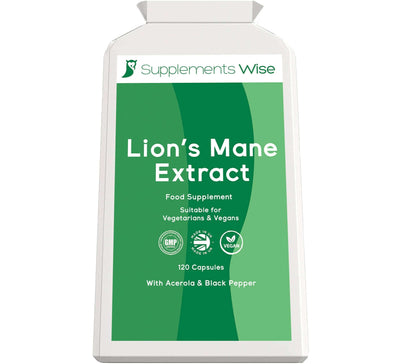
Made in the UK · GMP certified
120 vegan capsules · 4-month supply
- 1500mg mushroom-equivalent from 125mg 12:1 concentrated extract
- Standardised to 30% polysaccharides for a real dose of the active fraction
- One capsule a day, no earthy mushroom taste, letterbox-friendly bottle
Vegan · 30-day returns · Free UK shipping
In this article
- Which supplements actually have ADHD trial data?
- Does omega-3 EPA reduce ADHD symptoms?
- How does zinc help attention in deficient adults?
- Is magnesium a real ADHD aid or just a sleep fix?
- Does saffron 30mg really match methylphenidate?
- Where does Lion's Mane fit in an ADHD stack?
- Can ginkgo make methylphenidate work better?
- What about vitamin D, B12 and iron?
- Which supplements should you skip for ADHD?
- How do you trial an ADHD supplement safely?
- When should you speak to your GP about ADHD?
- Key takeaways
- Frequently asked questions
Which supplements actually have ADHD trial data?
Most of the internet's ADHD supplement listicles blur together brain-fog nootropics, general focus aids and true ADHD-specific trials. The distinction matters. An ADHD trial recruits people diagnosed by DSM or ICD criteria, measures inattention, hyperactivity and impulsivity on standard rating scales (ADHD-RS, Conners, TOVA), and runs long enough to see whether the outcome shifts.
The table below is the honest read on which supplements have that kind of data behind them in 2026, alongside a UK-market note for each.
| Supplement | Evidence grade | Trial-matched dose | Time to notice |
|---|---|---|---|
| Omega-3 EPA (fish or algal) | Moderate (meta-analysis, modest effect) | 750-1,200mg EPA daily | 12-16 weeks |
| Zinc (bisglycinate or sulfate) | Moderate in deficient subgroups only | 15-30mg elemental daily | 6-8 weeks |
| Magnesium (glycinate or citrate) | Moderate in Mg-deficient children | 200-400mg elemental daily | 4-8 weeks |
| Saffron extract | Emerging (one Iranian RCT vs methylphenidate) | 20-30mg daily | 6 weeks |
| Ginkgo biloba (as methylphenidate add-on) | Adjunct-only, mixed RCTs | 80-120mg standardised extract daily | 6 weeks |
| Lion's Mane | Extrapolated (MCI + healthy adult trials, no ADHD RCT) | 1,000-3,000mg extract daily | 8-16 weeks |
| Pycnogenol (pine bark) | Emerging in children, sparse adult data | 1mg per kg body weight daily | 4 weeks |
Does omega-3 EPA reduce ADHD symptoms?
Omega-3 has the deepest ADHD trial base of any supplement. The Bloch and Qawasmi 2011 meta-analysis pooled 10 randomised controlled trials in 699 children with ADHD, and found a small but statistically significant reduction in symptoms on standard rating scales, with the strongest effect at higher EPA doses (Bloch and Qawasmi, 2011, DOI: 10.1016/j.jaac.2011.06.008). The 2018 Chang et al meta-analysis in Neuropsychopharmacology extended this to seven RCTs measuring clinical symptoms and found a modest but consistent EPA benefit for inattention (Chang et al, 2018, DOI: 10.1038/s41386-017-0006-4).
What the Research Says
Chang et al 2018 pooled seven omega-3 RCTs in ADHD across 534 participants and found a small but significant standardised mean difference of 0.38 for clinical symptoms with EPA-heavy formulations. Effect sizes are roughly a third of a licensed stimulant, so treat omega-3 as a foundation, not a swap.
Honest UK context: Supplements Wise omega-3 range is temporarily out of stock in July 2026, so if you already take a UK-stocked EPA-heavy fish or algal oil from another brand at 750-1,200mg EPA a day, stay on it while you trial anything below. Vegan readers should target a specifically EPA-forward algal oil, not a general algae blend.
How does zinc help attention in deficient adults?
Zinc is a cofactor for dopamine metabolism, and lower serum zinc is repeatedly found in children with ADHD versus controls. Bilici et al 2004 ran a 12-week double-blind trial of zinc sulfate 150mg a day in 400 children with ADHD, and reported significantly better parent and teacher hyperactivity scores versus placebo (Bilici et al, 2004, DOI: 10.1016/j.pnpbp.2003.09.034). The catch: baseline zinc status predicted who responded, so blanket supplementation in already-replete adults is unlikely to move the needle.
For UK adults, a sensible read is to trial zinc only if a GP blood test shows low serum zinc, or if diet is very red-meat- and shellfish-light. The Bilici dose is unusually high for UK food supplement norms; most safe adult protocols sit around 15-30mg elemental zinc daily with copper 1mg to prevent long-term imbalance.
Is magnesium a real ADHD aid or just a sleep fix?
Magnesium is the supplement adults with ADHD most often say they notice, but the actual ADHD trial data is thinner than the online buzz suggests. Starobrat-Hermelin and Kozielec 1997 gave 200mg magnesium a day for six months to 50 hyperactive children with confirmed magnesium deficiency and reported a significant drop in hyperactivity versus a similar untreated deficient group. Trials in non-deficient ADHD populations have been much less impressive.
Where magnesium reliably helps in real life is sleep onset, evening restlessness and stimulant-related tension. If your ADHD is well controlled during the day but your sleep collapses on medication, magnesium glycinate or citrate in the evening is one of the most reasonable UK swaps to try before adding another prescription. See our best time to take magnesium UK guide for timing detail.
Does saffron 30mg really match methylphenidate?
Baziar et al 2019 is the trial that put saffron on the ADHD map. Fifty children aged 6-17 with confirmed ADHD were randomised to either saffron extract 20-30mg a day or methylphenidate 20-30mg a day for six weeks. Both groups improved similarly on the ADHD Rating Scale, with saffron showing fewer side effects (Baziar et al, 2019, DOI: 10.1089/cap.2018.0146), a striking signal for one small paediatric trial rather than a population endorsement.
Standalone saffron 30mg SKUs are still rare in the UK supplement market and Supplements Wise does not stock one at the time of writing. If a robust UK-manufactured saffron 28-30mg standardised extract launches, it is one of the more interesting emerging options for adults who cannot tolerate stimulants. Do not chase 5-10mg saffron doses tucked inside a general mood blend, they will not deliver the trial-matched intake.
Where does Lion's Mane fit in an ADHD stack?
Be honest about what Lion's Mane can and cannot show. There are no published controlled trials of Lion's Mane specifically in adult ADHD. The most-cited human trial is Mori et al 2009, a 16-week double-blind RCT in 30 Japanese adults with mild cognitive impairment, which used 3g of dried Lion's Mane a day and reported improvements on the cognitive function scale that regressed once the supplement was stopped (Mori et al, 2009, DOI: 10.1002/ptr.2634).
What the Research Says
Mori 2009 tested 3g of Lion's Mane whole fruiting body powder daily for 16 weeks in mild cognitive impairment. Cognitive scores rose during treatment and regressed after washout, which supports a real but reversible effect. It is not an ADHD trial, so treat any ADHD framing as extrapolation, not proof.
For a UK adult with ADHD who wants a low-risk cognitive add-on, Lion's Mane sits in the reasonable to trial for 8-12 weeks alongside a stable medication routine box. Judge it against a specific goal, such as fewer half-finished emails, longer reading sessions, or clearer voice memos, rather than a vague feeling. If nothing changes by week 12, stop and pocket the money for something better evidenced, and our Lion's Mane evidence review covers the wider trial map.
If capsules are not your thing, the same mushroom extract dose sits inside a berry gummy that is easier to remember on a busy morning. Same 8-12 week trial rule applies.
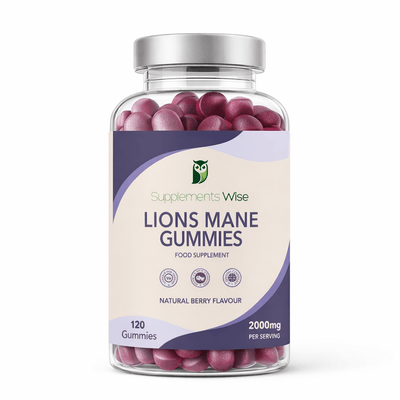
Made in the UK · GMP certified
120 natural berry gummies · 60-day supply
- 2000mg mushroom-equivalent from 10:1 fruiting body extract per 2 gummies
- Pectin-based, no gelatin, no earthy mushroom taste
- Chew two with breakfast, no water needed, harder to forget
Vegan · 30-day returns · Free UK shipping
Can ginkgo make methylphenidate work better?
Ginkgo biloba on its own has been mostly a null result for ADHD, but the combination trials are more interesting. Salehi et al 2010 randomised 50 children with ADHD to methylphenidate plus ginkgo 80-120mg or methylphenidate plus placebo for six weeks. Parent-rated inattention improved more in the ginkgo add-on group, though teacher ratings were similar (Salehi et al, 2010, DOI: 10.1016/j.pnpbp.2009.10.011), and a later 2014 trial in adults on methylphenidate found the same direction of effect for working memory.
If you are already on methylphenidate and functioning is good but not great, ginkgo is a low-risk 6-8 week trial to consider alongside your prescriber. Standardised ginkgo extract at 80-120mg daily is what the trials used. Do not layer ginkgo onto blood-thinning medication (warfarin, apixaban, rivaroxaban, aspirin) without medical advice, as the interaction risk is real.
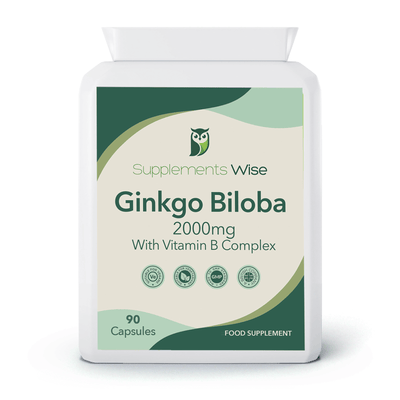
Made in the UK · GMP certified
Ginkgo Biloba 2000mg with B Complex
90 vegan capsules · 3-month supply
- 2000mg equivalent from a 50:1 concentrated Ginkgo biloba extract
- Includes all 8 B vitamins for tiredness, fatigue and psychological function
- One capsule daily, no aftertaste, letterbox-friendly bottle
Vegan · 30-day returns · Free UK shipping
What about vitamin D, B12 and iron?
Vitamin D, B12 and iron do not directly treat ADHD, but a real deficiency in any of the three will make attention, energy and mood measurably worse regardless of the underlying diagnosis. UK bloods that are worth asking your GP for before layering supplements include 25-hydroxyvitamin D, serum ferritin, serum B12, folate and TSH. NHS guidance recommends a daily supplement of 10 micrograms of vitamin D from October to March for all UK adults, and higher-dose maintenance for confirmed deficiency.
Practical shortcuts for the ADHD reader: correct deficiencies first, then judge whether the residual symptoms need a targeted ADHD-specific supplement or a medication review. Our guides on vitamin D deficiency signs and pins-and-needles B12 signs walk through the specifics.
Which supplements should you skip for ADHD?
The ADHD supplement aisle is crowded with things that will cost you money without moving your symptoms. The table below is the honest short list, based on either weak evidence or an outright safety concern.
| Skip this | Why |
|---|---|
| Racetam nootropics (piracetam, phenibut) | Prescription-only or unlicensed in the UK, phenibut carries a dependence and withdrawal risk. |
| 12-ingredient nootropic blends sold as adderall alternatives | Doses are usually under half of any trial-matched intake and stimulant caffeine content is often the only felt effect. |
| Ultra-high-dose stimulant fat burners | Yohimbine, synephrine and DMHA stack cardiovascular load on top of ADHD medication, which is a bad combination. |
| High-dose iron without a ferritin blood test | Iron overload is worse than mild deficiency, so test before you supplement above 20mg elemental. |
| Homeopathic ADHD drops | No plausible mechanism, no supportive trial data, straightforward money down the drain. |
Worth Knowing
If you take methylphenidate, lisdexamfetamine, atomoxetine or guanfacine, brief your prescriber before you add a supplement. Ginkgo, high-dose fish oil and St John's wort are the three that most commonly trigger interaction warnings, and your pharmacist can check the SPS BNF entry in a minute if you are unsure.
How do you trial an ADHD supplement safely?
The single change that saves most people money and disappointment is trialling one supplement at a time against one measurable goal for 8-12 weeks. Pick a target you can actually notice, such as finishing a work block without opening a new tab, staying on one podcast to the end, or hitting the pillow before midnight three nights a week.
Start at the trial-matched dose in the table above rather than the higher packaging label, keep a simple text-note log of your daily rating out of 10 for that specific behaviour, and be honest about whether the number has moved by week 8. If it has not, stop and rotate. Stacking three supplements at once means you will not know which one did (or did not) do the work.
When should you speak to your GP about ADHD?
Supplements are a supportive lane, not a diagnostic one. Book an NHS or private consultation if you have persistent daily symptoms that started in childhood, if suspected ADHD is affecting your job, relationships or driving, or if you are already medicated and things have slipped. The NHS adult ADHD page is the plain-English UK route in, and ADHD UK keeps a live map of NHS trust waiting times if the queue in your area is looking long.
Red-flag reasons to see a doctor sooner rather than later include a sudden change in mood, self-harm thoughts, chest pain or racing heart on stimulant medication, or a big spike in alcohol or recreational stimulant use. None of those are supplement problems.
Key takeaways
Key Takeaway
Omega-3 EPA, targeted zinc, magnesium in deficiency, saffron 30mg and ginkgo as a methylphenidate add-on are the five supplements with real ADHD trial data. Lion's Mane and B-vitamins earn a supporting spot on top of a stable NHS or private ADHD plan. No supplement replaces stimulant medication when it is genuinely indicated, and every trial-length rule should be 8-12 weeks with one variable at a time.
Frequently asked questions
What is the single best supplement for adult ADHD?
If forced to pick one, an EPA-heavy omega-3 at 750-1,200mg daily has the deepest ADHD trial base. Expect a small but real effect, not a stimulant-sized one. Judge it at 12 weeks against a specific goal.
Can supplements replace ADHD medication?
No supplement matches the effect size of methylphenidate or lisdexamfetamine in the average adult with ADHD. If you cannot tolerate medication, saffron and omega-3 are the most reasonable evidence-led add-ons to trial with your prescriber, not swap-ins.
Is Lion's Mane proven to help ADHD?
There are no published controlled trials of Lion's Mane specifically in ADHD. The supportive evidence comes from a mild cognitive impairment trial and healthy-adult focus studies, so any ADHD claim is extrapolation. Trial it for 8-12 weeks against a specific goal if you want to test it yourself.
Which magnesium is best for adult ADHD?
Magnesium glycinate is the gentlest on the stomach and is the form most commonly used for evening restlessness and sleep. Magnesium citrate is a solid alternative if glycinate is unavailable. Aim for 200-400mg elemental magnesium after 6pm.
Can I take ginkgo alongside methylphenidate?
Small trials suggest ginkgo can nudge parent-rated inattention when added to methylphenidate. Brief your prescriber first, particularly if you are on blood-thinning medication, and use a standardised 80-120mg daily extract for a six-week trial.
Are there any supplements safe for children with ADHD?
Any paediatric supplementation should go through a GP or paediatrician first. The paediatric-specific ADHD trial data sits with omega-3 EPA, zinc in confirmed deficiency, and saffron. Dose bands for children are lower than adult protocols and are best set by a clinician.
How long before I feel a difference from ADHD supplements?
Give any supplement a fair 8-12 weeks at the trial-matched dose. Magnesium for sleep may shift within a week, but omega-3, zinc, saffron and Lion's Mane all need multiple weeks. If nothing has moved at week 12, stop and rotate.
The best UK-relevant ADHD supplement plan in 2026 is boring but honest: correct any deficiencies first, add one evidence-backed supplement at a trial-matched dose for 8-12 weeks, keep your prescriber in the loop, and skip anything sold as a stimulant alternative. That short list will outperform any 12-ingredient nootropic blend at a fraction of the price.
Start the sensible 12-week ADHD focus trial
Lion's Mane Capsules 1500mg, one a day with breakfast, judged at 12 weeks against a real behavioural goal. Twelve pence a day, letterbox-friendly, UK-made.
Shop Lion's Mane CapsulesUK GMP-certified · Vegan · 30-day returns · Free UK shipping
This article is for information only and is not medical advice. Food supplements should not replace a varied diet or a healthy lifestyle. Speak to your GP or pharmacist before starting any new supplement, especially if you are pregnant, breastfeeding, taking medication or managing a health condition.