Water Retention in Women: Why It Happens and How to Ease It

Water retention is when your body holds on to extra fluid in the tissues, leaving you feeling puffy, heavy or bloated. It is extremely common in women, and it often comes and goes with your monthly cycle, the weather, or a salty meal. Most of the time it is harmless and temporary, even if it is genuinely annoying.
Because female hormones have such a strong influence on how the body manages salt and water, women notice fluid shifts far more than men. This guide explains why water retention happens, where it tends to show up, and the practical steps that actually help. We will also be clear about when puffiness is nothing to worry about and when it is worth seeing your GP.
Key Takeaway
Water retention in women is usually driven by hormones, salt intake and long periods of sitting or standing, and it is rarely a sign of anything serious. Cutting back on salt, moving more, staying hydrated and getting enough magnesium and potassium are the most reliable ways to ease it. See your GP if swelling is sudden, painful, affects only one leg, or comes with breathlessness.
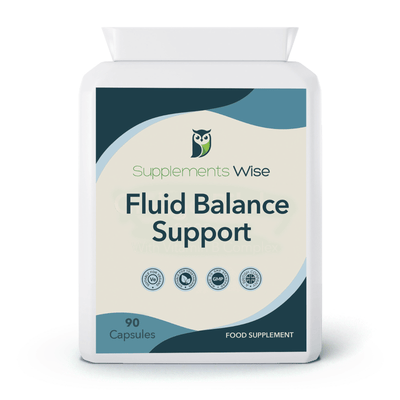
Made in the UK · GMP certified
90 vegan capsules · 30-day supply
- 89mg magnesium and 36mg vitamin B6 daily, the two nutrients with real PMS-swelling trial data
- Eight traditional botanicals including parsley, celery seed, dandelion and watercress
- Three capsules a day, letterbox-friendly bottle, contains celery
Vegan · 30-day returns · Free UK shipping
In this article
- What water retention actually is
- Why women are more prone to it
- Water retention before and during your period
- Perimenopause and menopause water retention
- Other common causes
- When water retention is a red flag
- How to reduce water retention naturally
- Supplements and natural diuretics
- Choosing a fluid balance supplement in the UK
- Simple daily habits that keep fluid in check
- Frequently asked questions
What Is Water Retention, and Is It the Same as Water Weight?
Water retention, also called fluid retention or oedema, happens when excess fluid builds up in the spaces between your cells. Your body is roughly 50 to 60 percent water, and a delicate balance of hormones, salts and pressure keeps that fluid where it belongs. When that balance tips, fluid leaks into the tissues and you feel swollen.
The term water weight simply describes this temporary extra fluid. It can make the scales jump by a kilogram or two within a day, which is far too fast to be real fat gain. The reassuring part is that water weight is temporary, and it shifts again as your hormones and fluid balance settle.
Why Women Are More Prone to Water Retention
Understanding what causes water retention in women means recognising that hormones, salt and inactivity usually work together, so small daily adjustments often bring the most noticeable relief.
The main reason comes down to oestrogen and progesterone, the hormones that rise and fall across the menstrual cycle. These hormones influence the renin angiotensin aldosterone system, the body's master control for how the kidneys handle sodium. When they shift, the kidneys hold on to more sodium, and water follows the salt.
This is why many women feel puffiest in the days before a period, during pregnancy, and through perimenopause. Each of these is a time of significant hormonal change. The good news is that cycle-related water retention is predictable, so you can plan around it.
The Role of Salt and Potassium
Sodium and potassium work as a pair to control fluid balance inside and outside your cells. A diet high in salt and low in potassium tips the balance towards holding water. Most people in the UK eat more salt than the recommended six grams a day, much of it hidden in bread, sauces and ready meals.
For a deeper look at how these minerals keep fluid in balance, see our guide to electrolytes and fluid balance.
| Where it shows up | What it feels like | Common triggers |
|---|---|---|
| Legs, ankles and feet | Heaviness, sock marks, tight shoes | Standing or sitting all day, heat, long flights |
| Abdomen | Bloating, fullness, waistband feels tight | Premenstrual phase, high-salt meals |
| Face and under eyes | Morning puffiness | Salt, poor sleep, alcohol |
| Hands and fingers | Rings feel tight | Heat, exercise, high salt |
| Whole body | General puffiness, weight up overnight | Hormonal shifts, period, perimenopause |
Water Retention Before and During Your Period
Premenstrual fluid retention is one of the most common PMS symptoms, affecting the majority of women at some point. In the week or so before your period, shifting progesterone and oestrogen prompt the body to hold extra water. This is why your stomach can feel bloated, your breasts tender, and the scales higher just before bleeding starts.
The swelling usually peaks on the first day or two of your period and then settles as hormone levels reset. For most women it eases on its own within a few days. If bloating is severe every cycle, magnesium and vitamin B6 are the two supplements with the best evidence behind them, which we cover below.
Perimenopause and Menopause Water Retention
Many women are surprised to find puffiness and bloating return, or worsen, during perimenopause. As oestrogen levels become erratic and then decline, the body's fluid regulation becomes less stable. Swelling in the legs, ankles and abdomen is a common complaint through this transition.
Magnesium levels also tend to fall as women move through menopause, which can add to symptoms. Gentle movement, reducing salt and staying well hydrated remain the most dependable steps. Some women find a targeted fluid balance supplement helps alongside these habits.
Alongside a fluid balance formula, some women in perimenopause also look for wider hormonal support that addresses hot flushes and mood swings rather than fluid retention alone.

Made in the UK · GMP certified
Menopause Support Capsules with Sage & Soy Isoflavones
60 capsules · 30-day supply at 2 a day
- Sage 400mg plus 40mg soy extract (16mg isoflavones) — a measured dose, not a high-dose megadose
- Calcium, vitamin D, magnesium, zinc and B6 for bone and hormone support
- Hops, alfalfa and Panax ginseng round out a single two-a-day formula
Vegan · 30-day returns · Free UK shipping
| Life stage | What happens to fluid balance | Typical pattern |
|---|---|---|
| Monthly cycle (luteal phase) | Hormone shifts make the body hold sodium and water | Puffiness in the 5 to 7 days before a period, easing once it starts |
| Pregnancy | Blood volume rises and hormones promote fluid retention | Swelling in legs and feet, mostly later on (have sudden swelling checked) |
| Perimenopause | Erratic oestrogen disrupts fluid control | Unpredictable bloating and swelling, often new or worse |
| Postmenopause | Lower oestrogen and falling magnesium | Ongoing tendency to puffiness, helped by diet and movement |
Other Common Causes of Water Retention
Hormones are the headline cause for women, but they are far from the only one. Several everyday factors can leave anyone holding extra fluid. Recognising your personal triggers makes them easier to manage.
Sitting, Standing and Heat
Staying in one position for hours lets fluid pool in the lower legs, which is why long flights and desk-bound days leave ankles puffy. Hot weather adds to this, as blood vessels widen and fluid drifts into the tissues. Moving regularly and elevating your legs both counteract it.
Diet, Salt and Dehydration
A salty diet is one of the most powerful triggers, because sodium pulls water into your tissues. Oddly, not drinking enough can make retention worse, as the body holds on to water when it senses a shortage. A sudden increase in carbohydrates can also cause a brief, harmless rise in water weight.
Medications That Can Cause Swelling
Some prescription medicines list fluid retention as a side effect, including certain blood pressure tablets, steroids, anti-inflammatories and hormonal treatments. If you notice new swelling after starting a medication, do not stop it, but mention it to your GP or pharmacist. They can advise whether it is expected or worth reviewing.
When Water Retention Is a Red Flag
Most water retention is harmless, but occasionally it signals something that needs medical attention. The pattern and speed of swelling are the key clues, since fluid retention caused by the heart, kidneys or liver tends to be persistent rather than cyclical, and it often affects both legs or the whole body. The NHS oedema page is a good UK-first read for what to watch out for.
Worth Knowing
See your GP promptly if swelling comes on suddenly, affects only one leg, is hot or painful, or comes with breathlessness or chest pain, as these can signal a blood clot, heart or kidney problem. During pregnancy, sudden swelling of the face, hands or feet should be checked urgently, as it can be a sign of pre-eclampsia. Persistent swelling that does not settle with simple measures also deserves a medical review.
How to Reduce Water Retention Naturally
For everyday, hormone-related puffiness, lifestyle changes are the first and most effective step. The aim is to rebalance sodium and potassium, keep fluid moving, and support your kidneys. None of this is dramatic, but done consistently it makes a real difference.
| Approach | How it helps | Practical tip |
|---|---|---|
| Cut back on salt | Less sodium means the body holds less water | Cook from scratch, check labels, aim under 6g salt a day |
| Eat more potassium | Potassium counterbalances sodium | Bananas, leafy greens, potatoes, beans, avocado |
| Stay hydrated | Adequate water stops the body hoarding fluid | Aim for pale yellow urine through the day |
| Keep moving | Muscle action pumps fluid back out of the legs | Walk, stretch, flex your calves on long journeys |
| Elevate your legs | Gravity helps drain pooled fluid | Raise feet above hip level for about 20 minutes |
| Get enough magnesium | Supports normal electrolyte and fluid balance | Nuts, seeds, wholegrains, or a supplement |
Magnesium deserves a special mention, both from food and, if needed, a supplement. If you choose to supplement, our guide to the best time to take magnesium explains how to fit it into your day. If your main symptom is heavy tiredness rather than puffiness, it is also worth ruling out low iron, which we cover in our guide to the best iron supplement for tiredness in women.
Supplements and Natural Diuretics for Water Retention
Beyond diet, a handful of nutrients and botanicals have genuine evidence for easing fluid retention, particularly the cyclical kind. The two best studied are magnesium and vitamin B6. Several traditional herbs, such as dandelion, parsley and celery seed, act as mild natural diuretics that gently increase urine output.
What the Research Says
In a randomised controlled trial, women taking 200mg of magnesium daily had significantly less premenstrual fluid retention, including weight gain, swollen limbs and breast tenderness, by the second month of use (Walker et al., 1998, DOI: 10.1089/jwh.1998.7.1157). A systematic review of nine trials found vitamin B6 was more than twice as likely as a placebo to improve overall PMS symptoms at doses up to 100mg a day (Wyatt et al., 1999, DOI: 10.1136/bmj.318.7195.1375).
If you want the trial-matched magnesium dose in its purest form, without botanicals or extras, a straight magnesium bisglycinate is the gentlest option on the stomach. Two capsules of our Magnesium Glycinate + B6 deliver 300mg of elemental magnesium a day, well above the Walker 1998 trial-matched 200mg. It also pairs neatly with a lower-salt diet and evening walk routine.
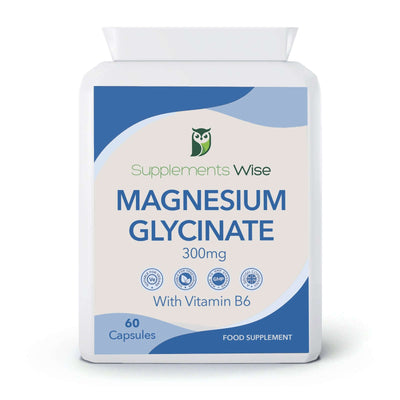
Made in the UK · GMP certified
Magnesium Glycinate with Vitamin B6
60 vegan capsules · 30-day supply
- 300mg elemental magnesium daily, above the Walker 1998 PMS trial dose
- Bisglycinate form, one of the gentlest on the stomach for daily use
- Includes 5mg B6 for a mild PMS-symptom nudge, letterbox-friendly bottle
Vegan · 30-day returns · Free UK shipping
Herbal diuretics have a smaller but real evidence base. In one human study, a dandelion leaf extract significantly increased the frequency of urination within five hours of the first dose (Clare et al., 2009, DOI: 10.1089/acm.2008.0152). These botanicals are gentle, so they suit short-term use around your period rather than long-term daily dosing.
A quick word of caution on vitamin B6. It is helpful at sensible doses, but very high amounts taken for long periods can cause nerve symptoms, so it is best not to megadose. Stick to the level on a well-formulated product, and if you only need it cyclically, take it around your period rather than every day of the month.
Choosing a Fluid Balance Supplement in the UK
If you want the magnesium, the B6 and a set of traditionally used diuretic herbs in one place, look for a formula that pairs magnesium and vitamin B6 with botanicals like parsley, celery seed and dandelion. Checking the dose, the form and where it is made helps you avoid underpowered products. A UK supplement made to GMP standards gives you that reassurance.
Our Fluid Balance Support capsules bring together 89mg magnesium, 36mg vitamin B6 and eight botanicals, including parsley, celery seed, dandelion and watercress. They are vegan, made in the UK to GMP standards, and provide a 30-day supply at three capsules a day. As with any supplement, they work best alongside a lower-salt diet and regular movement rather than in place of them.
Simple Daily Habits That Keep Fluid in Check
Preventing water retention is mostly about consistency rather than quick fixes. Building a few habits into your routine keeps fluid moving and your sodium balance steady. Over a full cycle, these small steps add up to far less puffiness.
Start your day with water, season food with herbs instead of extra salt, and break up long spells of sitting with a short walk. Add potassium-rich vegetables to most meals, and keep magnesium topped up from food or a supplement. If you bloat predictably before your period, begin these steps a week ahead rather than waiting for the swelling.
If recurring urinary or bladder discomfort is part of your picture, our guide to natural bladder support covers related fluid and urinary health.
Key Takeaway
For most women, water retention is a temporary, hormone-driven nuisance rather than a health problem. Reducing salt, eating more potassium, staying hydrated, moving regularly and getting enough magnesium and vitamin B6 are the changes most likely to help. A targeted fluid balance supplement can support these habits, but see your GP for sudden, one-sided or persistent swelling.
Frequently Asked Questions
Why do women retain more water than men?
Women retain more water mainly because of oestrogen and progesterone, which affect how the kidneys handle sodium. As these hormones rise and fall across the cycle, the body holds extra fluid, especially before a period. Pregnancy and perimenopause cause similar hormone-driven shifts.
How do I get rid of water retention quickly?
There is no instant fix, but you can speed things along by cutting salt, drinking enough water, eating potassium-rich foods and moving more. Cycle-related retention usually settles within a few days as your hormones reset. See your GP if swelling is persistent or one-sided.
Does magnesium help with water retention?
Magnesium has the best evidence for premenstrual fluid retention, with one trial showing 200mg daily reduced swelling and bloating by the second cycle. It is less proven for other causes of water retention. Both food sources and a supplement can help top up your levels.
What is the best natural diuretic?
Dandelion has the most direct human evidence, with parsley and celery seed also used traditionally as gentle diuretics. They mildly increase urine output and suit short-term use rather than daily long-term dosing. They are not a substitute for prescribed water tablets, which treat specific medical conditions.
Is water retention during my period normal?
Yes, premenstrual water retention is very common and a recognised part of PMS. It usually peaks in the day or two before and at the start of your period, then eases as hormones settle. If it is severe every month, magnesium and vitamin B6 are worth trying.
Can perimenopause cause water retention?
Yes, erratic oestrogen levels during perimenopause can disrupt fluid balance and bring on new or worse puffiness. Falling magnesium levels around menopause may add to it. Reducing salt, staying active and keeping magnesium topped up are the most dependable steps.
When should I see a doctor about fluid retention?
See your GP if swelling comes on suddenly, affects only one leg, is hot or painful, or comes with breathlessness or chest pain. In pregnancy, sudden swelling of the face, hands or feet should be checked urgently. Persistent swelling that does not settle with simple measures also needs a review.
Start the sensible two-cycle fluid balance trial
Fluid Balance Support with magnesium, B6 and eight botanicals. Three capsules a day, judged at the end of your second cycle. Fifty pence a day, UK-made, vegan.
Shop Fluid Balance SupportUK GMP-certified · Vegan · 30-day returns · Free UK shipping · Contains celery
This article is for information only and is not medical advice. Food supplements should not replace a varied diet or a healthy lifestyle. Speak to your GP or pharmacist before starting any new supplement, especially if you are pregnant, breastfeeding, taking medication or managing a health condition.