IBS Supplements: 6 UK Evidence-Backed Picks for Bloating and Pain

If you have irritable bowel syndrome, the supplements with the most consistent UK evidence are peppermint oil capsules, soluble fibre (psyllium), aloe vera, certain probiotic strains, and short-course curcumin or ginger for mild flares. Peppermint oil has the strongest randomised trial data for IBS pain, while psyllium is the only fibre NICE specifically supports for IBS. Aloe vera shows short-term symptom benefit in pooled trials, and probiotics help some people but the evidence is mixed by strain.
Activated charcoal is not an IBS treatment, but it can dull acute trapped wind on a one-off basis. None of these replaces the NICE-backed first steps of a slow low-FODMAP trial, regular meals, and ruling out coeliac disease.
This UK guide is written for adults living with IBS-C (constipation-predominant), IBS-D (diarrhoea-predominant), or IBS-M (mixed). It covers what the evidence actually shows for each supplement, how much to take, how long to give it, and when to put the bottle down and see your GP instead.
Key Takeaway
No single supplement fixes IBS. Match the loudest symptom to a first-line option, run an 8-week trial, and judge it on symptom diaries, not feelings. Peppermint oil for pain, psyllium for stool form, aloe vera for global calming, probiotics for bloating. Always combine with the NICE diet basics, not instead of them.
In this article
- Do supplements actually help IBS?
- What causes IBS, and why do symptoms vary so much?
- What does aloe vera do for IBS symptoms?
- Is peppermint oil the strongest evidence for IBS pain?
- Should you try probiotics for IBS?
- Does soluble fibre (psyllium) actually calm an IBS gut?
- Can turmeric and ginger help with IBS?
- When are activated charcoal tablets worth reaching for?
- What about fennel, wild yam and other botanicals?
- How long should you try a supplement before switching?
- When should you skip supplements and see your GP?
- Frequently asked questions
Do supplements actually help IBS?
Yes, but the effect size is modest and depends on which symptom you are targeting. The NICE clinical guideline CG61 on IBS in adults still anchors UK care on diet first, fibre adjustments, regular meals, stress work, and antispasmodics. Supplements sit alongside those steps, not above them.
The evidence is strongest for peppermint oil capsules and soluble fibre, moderate for aloe vera and certain probiotic strains, and weaker but plausible for ginger, fennel and curcumin. NICE guidance tells clinicians to discuss probiotics with patients who want to try them and to give any chosen product a minimum four-week trial at the manufacturer's recommended dose.
Two practical things to expect. First, even a working supplement usually trims symptom severity by 20 to 40 per cent rather than abolishing it. Second, most flare-ups still come from food triggers, stress, sleep loss, or hormonal cycles, so the supplement is part of a routine, not a rescue pill.
What causes IBS, and why do symptoms vary so much?
IBS is a disorder of gut-brain interaction. The gut is structurally normal but the nerves, motility and microbiome misfire under stress, after infection, or in response to specific food groups (often the fermentable FODMAP carbohydrates).
That mechanism is why two people with the same diagnosis can have wildly different symptoms. One person loops between cramping and diarrhoea after coffee, another bloats and constipates around their period. The supplement that calms one pattern may do little for the other, which is why we match supplement to dominant symptom in the table below.
| Loudest symptom | First-step supplement | Add at week 8 if partial response |
|---|---|---|
| Cramping abdominal pain | Enteric-coated peppermint oil (180 to 200mg, 3x/day) | Multi-strain probiotic, 8 weeks |
| Bloating and trapped wind | Aloe vera complex with fennel and ginger | Probiotic with B. infantis or B. lactis strain |
| Constipation-predominant (IBS-C) | Soluble fibre (psyllium husk, 3 to 7g/day) | Magnesium citrate at bedtime |
| Diarrhoea-predominant (IBS-D) | Soluble fibre titrated up slowly | Short-course activated charcoal for one-off flares |
| Mixed (alternating) IBS-M | Aloe vera complex, plus peppermint as needed | Reassess after 8 weeks with a symptom diary |
What does aloe vera do for IBS symptoms?
Aloe vera inner leaf is the most plausible global IBS supplement on the UK market. It does not target a single symptom. Instead, it lightly soothes the gut lining, supports normal motility, and pairs well with other botanicals like ginger, fennel and turmeric.
A 2018 systematic review and meta-analysis in the Journal of Neurogastroenterology and Motility pooled three randomised controlled trials with 151 adults with IBS and found a statistically significant improvement in IBS symptom score versus placebo (standardised mean difference 0.41, p = 0.020). Response rates were about 70 per cent higher in the aloe vera group (Hong et al., 2018, DOI: 10.5056/jnm18077).
Serious adverse events were not reported in those trials, but the evidence base is short-term (under five months) and small. Treat aloe vera as a reasonable first try for global symptoms rather than a guaranteed answer.
What the Research Says
Hong et al., 2018 meta-analysis. Three RCTs, 151 IBS patients. Aloe vera improved global IBS symptom scores versus placebo (SMD 0.41, 95% CI 0.07 to 0.75, p = 0.020). Pooled response rate ratio 1.69 (95% CI 1.05 to 2.73). Trials ran for four to twelve weeks (DOI: 10.5056/jnm18077).
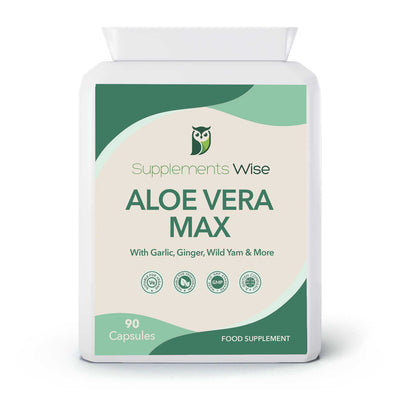
Aloe Vera Complex Capsules, 9 Botanicals, 90 Vegan Capsules
Combines 200:1 aloe vera concentrate with fennel, ginger, turmeric, prune, pomegranate, wild yam, alfalfa and agrimony. Built for global IBS symptoms and mixed-pattern bloating.
UK GMP-certified · Vegan · 30-day returns · Free UK shipping
Is peppermint oil the strongest evidence for IBS pain?
For abdominal pain and cramping, yes. Peppermint oil is one of only a few IBS supplements with high-quality randomised trial data behind it.
A 2022 systematic review and meta-analysis in Alimentary Pharmacology and Therapeutics pooled ten randomised controlled trials with 1,030 IBS patients. Peppermint oil capsules beat placebo for global IBS symptoms (number needed to treat: 4) and for abdominal pain (number needed to treat: 7). The effect was clear across studies despite differences in dose and capsule technology (Ingrosso et al., 2022, DOI: 10.1111/apt.17179).
Use enteric-coated peppermint oil (typically 180 to 200mg three times daily, taken before meals) rather than tea bags or essential oil drops. The enteric coating gets the oil past the stomach so it acts on the colon rather than triggering reflux. Heartburn is the main side effect, which is why people prone to reflux need to be cautious.
Should you try probiotics for IBS?
Probiotics help some people with IBS, but the evidence is messier than the marketing suggests. A 2023 systematic review in Gastroenterology pooled 82 trials with 10,332 patients and found that some strain combinations improved global symptoms and quality of life. Certainty of evidence was rated low to very low by GRADE because the trials varied so much in strain, dose and length (Goodoory et al., 2023, DOI: 10.1053/j.gastro.2023.07.018).
Strains with the most positive signal include Bifidobacterium infantis 35624, Bifidobacterium lactis, Lactobacillus plantarum 299v, and certain multi-strain formulas. NICE advises trying any chosen probiotic for at least four weeks at the labelled dose before deciding it has not worked.
If bloating is your loudest symptom, probiotics are worth an eight-week trial. If pain is loudest, start with peppermint oil and add a probiotic later if response is partial.
Does soluble fibre (psyllium) actually calm an IBS gut?
Psyllium is the only fibre NICE specifically supports for IBS. It is a soluble fibre that forms a gel in the gut, which slows things down in IBS-D and bulks the stool in IBS-C. Insoluble fibre such as wheat bran often worsens IBS and is explicitly discouraged.
Start at 3 to 5 grams a day with a full glass of water and titrate up slowly to 7 to 10 grams over a few weeks if tolerated. Going up too fast triggers bloating, which puts a lot of people off and convinces them fibre is the problem. It usually is not, it is the speed of escalation.
Pair psyllium with regular hydration, regular meal timing, and a slow low-FODMAP trial if symptoms still misfire after a month. Psyllium is also the cheapest, lowest-side-effect option in this entire guide.
Can turmeric and ginger help with IBS?
Turmeric (curcumin) and ginger both have plausible anti-inflammatory and anti-nausea effects, with modest IBS evidence. Curcumin appears in several smaller IBS trials at 500mg to 1,000mg per day, with some symptom improvement reported and a generally clean safety profile.
Ginger has stronger evidence for nausea than for IBS itself, but it pairs well with aloe and fennel in multi-botanical formulas. Most UK IBS-focused supplements take this combined-botanical approach rather than betting on a single ingredient.
If you already take warfarin or a direct oral anticoagulant, talk to your GP before starting any turmeric or ginger supplement. Both can mildly affect platelet activity at higher doses.
When are activated charcoal tablets worth reaching for?
Activated charcoal is not an IBS treatment. It is a short-term option for the specific moment of acute trapped wind or post-meal bloating, particularly in IBS-D where gas builds up fast after a known trigger.
EFSA approves one health claim for activated charcoal: reducing excessive flatulence after eating, at one gram before and one gram after a high-risk meal. That is roughly four 300mg capsules at each end, and it works by adsorbing intestinal gas. Read more in our honest UK guide to charcoal tablets.
Two warnings before reaching for it. First, activated charcoal will also adsorb medications taken within two to three hours of the dose, including the contraceptive pill and levothyroxine. Second, daily long-term use is not advised, because IBS needs root-cause work rather than a daily binder, so treat it as a rescue rather than maintenance.
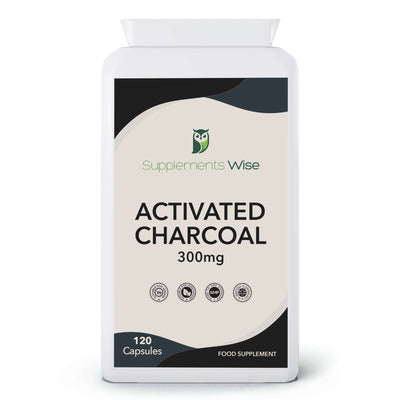
Activated Charcoal Capsules, 120 x 300mg
Coconut-shell-derived, steam-activated. Take 4 caps before and 4 caps after a known trigger meal to hit the EFSA 1g+1g dose for trapped wind.
UK GMP-certified · Vegan · 30-day returns · Free UK shipping
What about fennel, wild yam and other botanicals?
Fennel and wild yam are common ingredients in multi-botanical IBS formulas. Fennel has mild anti-spasm and carminative properties that help with cramping and trapped wind. Wild yam contains diosgenin and is traditionally used for menstrual and bowel cramping, though human IBS-specific trials are sparse.
Agrimony, prune, pomegranate and alfalfa tend to show up as supporting ingredients targeting different elements: tannin astringency for IBS-D (agrimony), gentle laxation for IBS-C (prune), and antioxidant support for the gut lining (pomegranate). None has stand-alone IBS evidence at trial-grade dose. Their value comes from the synergy of a well-built formula like the Aloe Vera Complex above.
What we deliberately do not recommend at supplement strength includes high-dose senna (laxative dependence risk), kava-kava (UK regulatory concern), and standalone slippery elm at non-trial doses. Stick to formulas that show their ingredient list per serving.
How long should you try a supplement before switching?
| Supplement | Evidence grade | Typical UK dose | Trial length before judging |
|---|---|---|---|
| Peppermint oil (enteric) | Strong | 180-200mg, three times daily | 4 weeks |
| Psyllium husk (soluble fibre) | Strong (NICE) | 3-10g/day, titrate slowly | 4-6 weeks |
| Aloe vera (oral) | Moderate | Multi-botanical formula, daily | 8 weeks |
| Probiotics (strain-specific) | Moderate | Label dose, 1-2 strains | 4-8 weeks per product |
| Curcumin / turmeric | Weak to moderate | 500-1,000mg/day with black pepper | 8 weeks |
| Ginger | Weak (IBS specific) | 500mg-1,000mg/day | 4-6 weeks |
| Activated charcoal | Symptomatic only | 1g before + 1g after trigger meal | As needed, not daily |
Keep a simple symptom diary and score severity 0 to 10 daily for pain, bloating and stool form. A useful supplement usually shows a clear 30 per cent or more reduction in the symptom you targeted by week four or week six. If nothing has shifted by then, switch rather than stack.
When should you skip supplements and see your GP?
Worth Knowing
Book a GP appointment first if you have any red-flag symptom alongside IBS: unintentional weight loss, blood in the stool (bright red or black tarry), a change in bowel habit lasting more than six weeks if you are over 50, persistent vomiting, a lump in the abdomen, or anaemia on a blood test. These need investigation, not aloe vera. NHS guidance and the IBS Network UK charity both stress that an IBS diagnosis should rule out coeliac disease, inflammatory bowel disease, and bowel cancer first.
Also see your GP if you have not had a formal IBS diagnosis yet. The NHS IBS page walks through the diagnostic process, which usually includes a coeliac blood test, full blood count, and inflammation markers before IBS is confirmed.
The NICE-recommended low-FODMAP elimination phase is best done with a registered dietitian, not from a TikTok handout. A poorly run low-FODMAP attempt can leave you with restricted intake and the same symptoms.
Key Takeaway
Pick one supplement based on your loudest symptom, give it four to eight weeks with a symptom diary, and run it alongside the NICE basics: regular meals, slow fibre titration, sleep, and stress work. Stack only if your first product gave you a partial win. Switch if it gave you nothing.
Frequently asked questions
Can supplements cure IBS?
No. IBS is a chronic functional gut disorder, not an infection or deficiency. Supplements like peppermint oil, aloe vera and probiotics can ease symptoms but they do not cure IBS. The aim is a meaningful reduction in pain, bloating and stool changes, not a permanent fix.
What is the single best supplement for IBS in the UK?
There is no single winner because symptoms vary so widely. Enteric-coated peppermint oil has the strongest data for pain, psyllium is the NICE-supported choice for stool-form problems, and aloe vera multi-botanical formulas suit global or mixed symptoms. Match the supplement to your loudest symptom rather than picking the most-marketed one.
How long until IBS supplements start working?
Peppermint oil can dampen cramping within two to four weeks. Aloe vera and probiotic trials typically need four to eight weeks before judging. NICE recommends at least four weeks at the labelled dose before deciding a product has not worked.
Are probiotics safe to take long-term for IBS?
For most healthy adults, yes. Probiotics have a strong safety profile in IBS trials. Anyone who is immunocompromised, on chemotherapy, or has central venous access should talk to their clinician first because of rare bloodstream infection risk.
Will activated charcoal stop IBS bloating?
It can dull a one-off post-meal bloat that is driven by trapped wind, but it is not an IBS treatment. EFSA approves one gram before and one gram after a trigger meal for excessive flatulence. Avoid daily long-term use and keep it at least two hours away from any medication.
Can you take peppermint oil and aloe vera together?
Yes, they work on different mechanisms (peppermint for smooth-muscle spasm, aloe vera for gut soothing). Many people use both during an active flare-up phase. Drop one and reassess after eight weeks so you can tell what is doing the work.
Should you start the low-FODMAP diet before trying supplements?
NICE puts the FODMAP trial after first-line dietary advice (regular meals, less fizzy drinks, less resistant starch). Supplements can run alongside either stage. Ideally do the low-FODMAP trial with a registered UK dietitian rather than from an app.
IBS responds best to a combination of diet, routine, and a single well-chosen supplement, judged on a symptom diary rather than how you feel on a random day. Our wider gut-health guide covers the deeper nutrition and microbiome layer, and our turmeric guide covers curcumin dosing if that is the direction you want to test.
Calm an unpredictable gut, one supplement at a time
Aloe Vera Complex is built on nine botanicals that target the loudest IBS symptoms together. Run an honest eight-week trial alongside the NICE basics and see what shifts.
Start the 8-Week TrialUK GMP-certified · Vegan · 30-day returns · Free UK shipping
This article is for information only and is not medical advice. Food supplements should not replace a varied diet or a healthy lifestyle. Speak to your GP or pharmacist before starting any new supplement, especially if you are pregnant, breastfeeding, taking medication or managing a health condition.