Activated Charcoal for Bloating: Does It Actually Work?

If you have ever searched for a natural way to deal with bloating, activated charcoal has probably come up. It is one of the most talked about digestive supplements online, but the advice you find ranges from "miracle cure" to "complete waste of money." The truth, as usual, sits somewhere in between.
This guide cuts through the noise. We will look at what the evidence actually says about activated charcoal for bloating, explain how it works in your digestive system, and help you decide whether it is worth trying for your symptoms.
Key Takeaway
Activated charcoal can help reduce gas-related bloating by adsorbing excess gas in the digestive tract. It works best for occasional bloating after meals rather than chronic digestive conditions, and timing matters: taking it shortly before or after eating gives the best results.
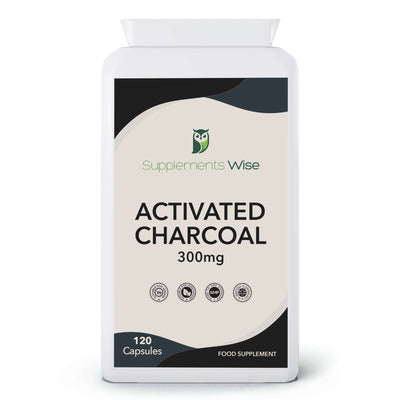
Made in the UK · GMP certified
Activated Charcoal Capsules 300mg
120 vegan capsules · single-ingredient formula
- 300mg per capsule, hits the 1g EFSA flatulence-reduction dose in 4 capsules
- One ingredient, no fillers, binders or additives
- Take 2 with a heavy meal and 2 an hour later, not with medication
Vegan · 30-day returns · Free UK shipping
What Is Activated Charcoal?
Activated charcoal is not the same as the charcoal you use on a barbecue. It is made by heating carbon-rich materials like coconut shells or wood to extremely high temperatures, then treating them with gas to create millions of tiny pores across the surface. This process is called activation.
Those microscopic pores give activated charcoal an enormous surface area relative to its size. A single gram can have a surface area of over 3,000 square metres. This is what makes it so effective at trapping and binding substances through a process called adsorption, where molecules stick to the surface rather than being absorbed into it.
Activated charcoal has been used in hospitals for decades to treat certain types of poisoning. As a dietary supplement for digestive comfort, it works on a similar principle, binding to gas-producing compounds in your gut before they cause discomfort.
How Activated Charcoal Helps with Bloating
Bloating is often caused by excess gas building up in the stomach and intestines. This gas comes from two main sources: swallowed air and bacterial fermentation of food in the gut. When gas gets trapped or builds up faster than your body can release it, you feel that uncomfortable pressure and swelling.
Activated charcoal works by adsorbing some of that excess gas as it passes through your digestive tract. It binds to gas molecules and certain by-products of fermentation, helping to reduce the volume of gas that accumulates. This can ease the pressure and discomfort that comes with bloating after meals.
The European Food Safety Authority (EFSA) has approved a specific health claim for activated charcoal. Products containing at least 1g of activated charcoal per serving can state that it "contributes to reducing excessive flatulence after eating", provided the dose is taken shortly before and after a meal. This is one of the few supplement claims that has received official regulatory backing in Europe.
What the Research Says
A double-blind study found that activated charcoal significantly reduced hydrogen gas production and bloating symptoms in participants after a gas-producing meal, compared to placebo. The authors noted that the effect was most pronounced when charcoal was taken both before and after eating (Jain et al., 1986, DOI: 10.7326/0003-4819-105-1-61).
What Kind of Bloating Does Activated Charcoal Work Best For?
Not all bloating is created equal, and activated charcoal does not work for every type. Understanding the difference helps you decide whether it is the right approach for your symptoms.
Gas-Related Bloating After Meals
This is where activated charcoal performs best. If your bloating is triggered by eating certain foods, particularly beans, cruciferous vegetables, onions, or high-fibre meals, the excess gas produced during digestion is exactly what charcoal can help with. Taking it around mealtimes gives it the best chance of binding to gas before discomfort sets in.
Bloating from Food Intolerances
If your bloating is caused by lactose intolerance, fructose malabsorption, or a sensitivity to FODMAPs, activated charcoal may provide some temporary relief by reducing the gas produced during fermentation. However, it does not address the root cause. For persistent intolerance-related bloating, a targeted approach such as digestive enzymes or dietary changes may be more effective.
Chronic Bloating or IBS
For ongoing bloating associated with IBS or other chronic digestive conditions, activated charcoal is unlikely to be a complete solution on its own. These conditions involve complex gut motility and sensitivity issues that go beyond excess gas. Our gut health supplements guide covers a broader range of options for long-term digestive support.
| Type of Bloating | How Well Charcoal Helps | Better Suited To |
|---|---|---|
| Gas after meals | Strong evidence of benefit | Activated charcoal taken around meals |
| Food intolerance bloating | Partial relief, not a fix | Digestive enzymes or dietary changes |
| IBS-related bloating | Limited, may ease gas component | Probiotics, low-FODMAP diet, GP guidance |
| Water retention bloating | No effect | Electrolyte balance, hydration, GP review |
How to Take Activated Charcoal for Bloating
Timing is the most important factor when using activated charcoal for bloating. To get the EFSA-approved benefit, you need to take at least 1g (1,000mg) split across two doses, one shortly before your meal and one shortly after. This gives the charcoal the best chance of meeting gas-producing compounds as they form.
With 300mg capsules, this means taking around 2 capsules before eating and 2 capsules after. You do not need to take activated charcoal with every meal. Use it when you know you are eating foods that tend to trigger bloating, or on occasions when digestive comfort matters, like a meal out or a social event.
Take your capsules with a full glass of water. Staying well hydrated helps activated charcoal move through your digestive system effectively and reduces the chance of constipation, which is the most commonly reported side effect. A further study confirmed that activated charcoal taken at mealtimes significantly reduced breath hydrogen levels, a direct marker of intestinal gas production (Hall et al., 1981, DOI: 10.1111/j.1572-0241.1981.tb04577.x).
Activated Charcoal vs Other Bloating Remedies
Activated charcoal is not the only option for bloating, and knowing how it compares to alternatives helps you choose the right tool for your symptoms. Each approach works differently, so the best choice depends on what is causing your bloating in the first place.
| Remedy | How It Works | Best For |
|---|---|---|
| Activated charcoal | Adsorbs excess gas in the gut | Occasional post-meal gas and bloating |
| Peppermint oil capsules | Relaxes smooth muscle in the gut wall | IBS-related cramping and spasms |
| Digestive enzymes | Breaks down food more efficiently | Intolerance-related bloating |
| Probiotics | Rebalances gut bacteria over time | Chronic bloating and long-term gut health |
| Simethicone | Breaks large gas bubbles into smaller ones | Quick relief from trapped wind |
If your bloating is part of a wider digestive picture, exploring our full digestive health range may help you find a more targeted solution. Some people find that combining activated charcoal with probiotics works well, using charcoal for immediate relief and probiotics for longer-term balance.
Side Effects and Safety
Activated charcoal is generally well tolerated at the doses used for digestive support. The most common side effect is constipation, which usually resolves by drinking more water and not exceeding the recommended dose. Some people also notice black stools, which is completely harmless and simply shows the charcoal passing through.
The more important safety consideration is timing with medications. Because activated charcoal adsorbs substances in your gut, it can reduce the absorption of prescription medications if taken at the same time. This includes the contraceptive pill, antidepressants, and heart medications.
Worth Knowing
Always leave at least 2 hours between taking activated charcoal and any prescription medication. If you take the contraceptive pill, this gap is especially important, as charcoal could reduce its effectiveness. If you are unsure, speak to your GP or pharmacist before starting.
What to Look for When Buying Activated Charcoal
Not all activated charcoal supplements are equal. The source material, the activation process, and what else is in the capsule all affect quality. Here is what to check before adding one to your basket.
Look for a clean formula with no unnecessary fillers, binders, or additives. The best activated charcoal supplements contain just one ingredient: activated charcoal. Check that the dose per capsule is clearly stated so you can easily calculate how many you need to reach the 1g threshold recommended by EFSA.
UK-manufactured products that meet GMP (Good Manufacturing Practice) standards give you confidence in quality and consistency. Vegan-friendly capsules are also worth looking for if you follow a plant-based diet. If you are new to supplements altogether, our beginner's guide to supplements covers the basics of what to look for across the board.
Common Myths About Activated Charcoal
Activated charcoal has attracted a lot of wellness hype, and some of the claims go well beyond what the evidence supports. Knowing what it can and cannot do helps you set realistic expectations.
The Detox Myth
Despite what social media suggests, activated charcoal does not "detoxify" your body of everyday toxins. Your liver and kidneys already do that job extremely well. Charcoal works in your digestive tract only and does not enter your bloodstream to "cleanse" your organs.
The Weight Loss Myth
There is no credible evidence that activated charcoal promotes weight loss. While reducing bloating can make your stomach feel and appear flatter temporarily, this is gas reduction, not fat loss. Any supplement that claims charcoal burns fat or boosts metabolism is misleading.
Who Should Avoid Activated Charcoal?
While activated charcoal is safe for most adults, certain groups should avoid it or use it only under medical guidance. If you have a bowel obstruction or any condition that slows gut motility, charcoal could make things worse.
People who take time-sensitive or narrow-therapeutic-index medications should be particularly careful. This includes warfarin, lithium, and certain epilepsy drugs. Even with a 2-hour gap, the risk of interaction may not be worth it without your GP's approval.
Pregnant and breastfeeding women should speak to their midwife or GP before taking activated charcoal. While it is not absorbed into the bloodstream, its effect on nutrient absorption means caution is sensible during periods when nutritional needs are higher.
Can You Combine Activated Charcoal with Other Supplements?
Yes, but timing is everything. Because charcoal adsorbs substances indiscriminately, taking it at the same time as vitamins, minerals, or other supplements could reduce their effectiveness. The simple rule is to leave a 2-hour gap between charcoal and anything else you take.
Some people use activated charcoal alongside probiotics for a two-pronged approach to digestive comfort. Charcoal handles the immediate gas, while probiotics work on longer-term gut balance. Just make sure you take them at different times of day.
Our guide to candida and digestive overgrowth explores how gut imbalances contribute to bloating and what else can help.
For a broader look at supporting your digestive system naturally, our energy and fatigue guide also touches on how poor digestion can drain your energy levels, and what nutrients can help.
Key Takeaway
Activated charcoal is a well-supported option for occasional gas-related bloating, backed by an EFSA-approved health claim. It is not a detox product or a cure-all, but when used correctly around mealtimes at the right dose, it can make a genuine difference to post-meal comfort.
Frequently Asked Questions
Does activated charcoal really help with bloating?
Yes, there is evidence that activated charcoal can reduce gas-related bloating. The EFSA has approved the claim that activated charcoal contributes to reducing excessive flatulence after eating when taken at a dose of 1g before and after meals. It works best for occasional bloating rather than chronic digestive conditions.
How quickly does activated charcoal work for gas?
Most people notice a reduction in gas and bloating within 1 to 2 hours of taking activated charcoal. For the best results, take it shortly before and after a meal rather than waiting until symptoms have already developed. Prevention works better than treatment with charcoal.
Can I take activated charcoal every day?
Activated charcoal is best used occasionally rather than daily. Long-term daily use could interfere with nutrient absorption over time. Use it when you know you are eating foods that trigger bloating, or on days when digestive comfort is particularly important.
Will activated charcoal interfere with my medication?
Yes, activated charcoal can reduce the absorption of many medications, including the contraceptive pill, antidepressants, and heart drugs. Always leave at least 2 hours between taking charcoal and any prescription medication. If in doubt, check with your GP or pharmacist first.
How much activated charcoal should I take for bloating?
The EFSA-approved dose is 1g (1,000mg) taken in two portions, one before and one after eating. With 300mg capsules, this means around 2 capsules before your meal and 2 after. Take them with a full glass of water.
Is activated charcoal safe during pregnancy?
While activated charcoal is not absorbed into the bloodstream, it can affect nutrient absorption at a time when your nutritional needs are higher. Pregnant and breastfeeding women should speak to their midwife or GP before taking it.
Can I take activated charcoal with probiotics?
Yes, but not at the same time. Leave at least 2 hours between activated charcoal and probiotics to avoid the charcoal binding to the probiotic bacteria. Many people take charcoal around meals and probiotics at a separate time of day for a combined approach to digestive comfort.
Reach for it when a meal is about to bloat you
Activated Charcoal Capsules, 300mg x 120. Two before a heavy meal, two after, and skip within two hours of prescription medication. Eight pence per capsule, UK-made.
Shop Activated CharcoalUK GMP-certified · Vegan · 30-day returns · Free UK shipping
This article is for information only and is not medical advice. Food supplements should not replace a varied diet or a healthy lifestyle. Speak to your GP or pharmacist before starting any new supplement, especially if you are pregnant, breastfeeding, taking medication or managing a health condition.