Top 5 Supplements for Cold Hands and Feet: A UK Evidence Guide to Better Circulation

Cold hands and feet usually come down to small blood vessels constricting, blood that is moving too slowly, or a deficiency that affects the nerves controlling skin temperature. The supplements with the strongest UK trial evidence are ginkgo biloba (cuts Raynaud's attacks by 56 per cent), vitamin B12 (fixes cold extremities when B12 is low), magnesium (relaxes small vessels), vitamin D (supports vessel lining), and iron (only if a blood test confirms deficiency). Movement, layers, hydration and stopping smoking still beat any capsule for most people, and a fair trial of any one supplement takes eight to twelve weeks.
This UK guide walks through the trial evidence for each, the four lifestyle changes that work faster than a tablet, the red flags that mean a GP visit not a supplement label, and a decision table to help you pick the right starting point based on your pattern. Roughly one in three UK adults reports persistent cold extremities, and women are around five times more likely to develop Raynaud's than men.
Key Takeaway
Ginkgo biloba has the strongest plant evidence for Raynaud's, and vitamin B12 is the supplement that fixes cold extremities when low B12 is the cause. Magnesium, iron and vitamin D play supporting roles, but movement, warm layers and stopping smoking usually do more in eight weeks than any capsule does in six months.
In this article
- What causes cold hands and feet?
- Which lifestyle habits beat any supplement?
- Does ginkgo biloba actually help Raynaud's?
- Are cold hands a sign of vitamin B12 deficiency?
- Can magnesium help poor circulation?
- Is iron deficiency behind your cold extremities?
- Does vitamin D help circulation in the UK?
- Which circulation supplements are a waste of money?
- How long do circulation supplements take to work?
- Which supplement should you try first?
- Frequently asked questions
What Causes Cold Hands and Feet?
Cold hands and cold feet are not a single condition. They are a symptom that the small blood vessels in your fingers and toes are constricted, that your blood is carrying less oxygen than it should, or that the nerves controlling skin temperature are firing oddly.
The two most common patterns are everyday cold sensitivity, where your hands and feet are simply colder than the rest of you in a normal British winter, and Raynaud's phenomenon, where fingers or toes go white, then blue, then red in response to cold or stress. Roughly five to ten per cent of UK adults have Raynaud's, and the Scleroderma and Raynaud's UK charity estimates ten million people are affected to some degree.
A smaller group of cases links to underlying conditions like an underactive thyroid, anaemia, peripheral artery disease, vitamin B12 deficiency or diabetes. Knowing which bucket you are in matters because no supplement fixes an underactive thyroid or blocked arteries.
Use the table below to think through what is most likely driving your cold extremities and what the right first step looks like.
| Likely Cause | Typical Pattern | Sensible First Step |
|---|---|---|
| Everyday cold sensitivity | Cold extremities in winter, normal colour | Layers, hand warmers, movement |
| Primary Raynaud's | Fingers go white then blue then red on cold or stress | Stop smoking, trial ginkgo biloba, mention to GP |
| Iron deficiency anaemia | Cold plus fatigue, pale skin, short of breath on stairs | GP full blood count and ferritin test |
| Vitamin B12 deficiency | Cold plus tingling, pins and needles, fatigue | GP B12 blood test, methylcobalamin if low |
| Underactive thyroid | Cold all over, weight gain, low mood, dry skin | GP TSH and free T4 blood test |
| Peripheral artery disease | Cold feet plus calf pain on walking, slow healing wounds | GP referral, vascular assessment |
| Smoking | Cold worsens within minutes of a cigarette or vape | NHS Stop Smoking service, nicotine replacement |
The pattern matters more than the absolute coldness. A finger that briefly goes white on a cold bus is not the same problem as feet that are cold all day in centrally heated rooms.
Worth Knowing
See a GP within a week if cold hands or feet are paired with persistent tingling or numbness, sores or ulcers that will not heal, sudden colour change in just one finger or toe, or calf pain when you walk. Call NHS 111 if a finger or toe stays white or blue for more than an hour, and 999 if a limb suddenly becomes cold, pale and painful. The British Heart Foundation and Scleroderma and Raynaud's UK both have free phone helplines worth using before you spend on supplements.
Which Lifestyle Habits Beat Any Supplement?
Before any supplement, four free changes do more than most people expect. Move every hour, layer properly, drink enough water, and either stop smoking or stop vaping nicotine.
Movement is the single biggest lever. A two minute walk every hour, ten ankle rotations under the desk, or a set of fast hand opens and closes keeps the calf muscle pump pushing blood back toward the heart. The British Heart Foundation lists brisk walking, swimming and yoga as the three exercises most likely to improve cold extremities in adults under 65.
Layers beat thicker single garments. Two thin pairs of merino socks trap more warm air than one thick acrylic pair, and silk glove liners under regular gloves keep fingers warmer than mittens alone for most office workers.
Hydration is the quiet third lever. Around half your blood is water, and a litre and a half spread across the day keeps blood thinner and easier to move through the tiny vessels in fingers and toes. The UK Government Eatwell Guide suggests six to eight glasses a day, including tea, coffee and squash.
Nicotine is a vasoconstrictor in any form. Smokers and vapers feel cold hands more than non smokers, and Raynaud's attacks are more frequent and more severe in current smokers. The NHS Stop Smoking service is free and improves cold extremities within two to twelve weeks of quitting.
Does Ginkgo Biloba Actually Help Raynaud's?
Ginkgo biloba is the supplement with the cleanest evidence for cold hands and feet, and specifically for primary Raynaud's. Ginkgo improves blood flow through small vessels by relaxing vascular tone and reducing platelet stickiness, which is exactly the problem in Raynaud's and in cold induced vasospasm.
The clearest trial is from a UK team. Muir and colleagues at Ninewells Hospital in Dundee ran a ten week double blind placebo controlled trial of ginkgo biloba in patients with primary Raynaud's. Daily attacks dropped from 13.2 per week on placebo to 5.8 per week on ginkgo, a 56 per cent reduction (Muir et al., 2002, DOI: 10.1191/1358863x02vm455oa).
The dose used was 360mg per day of a standardised extract, split across three meals. Most UK over the counter ginkgo capsules are dosed lower than this on the label but use higher concentration extracts, so a 2000mg equivalent capsule taken once or twice a day reaches the same active dose.
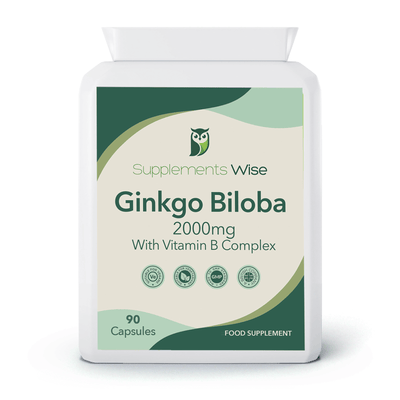 |
Ginkgo Biloba 2000mg with B Complex (90 caps) Standardised 50:1 ginkgo extract paired with a full daily B complex, including B12, for a 12 week circulation trial. UK GMP-certified · Vegan · 30-day returns · Free UK shipping
|
What the Research Says
The Muir 2002 trial enrolled patients with primary Raynaud's and ran for ten weeks at 360mg per day of standardised ginkgo extract. The 56 per cent reduction in weekly attacks was statistically significant, and the side effect profile matched placebo. A larger 2007 trial comparing ginkgo against the calcium channel blocker nifedipine found nifedipine worked faster but ginkgo had fewer side effects, which is why UK rheumatologists often suggest ginkgo as a first try for mild Raynaud's before prescription medication.
How Much Ginkgo Should You Take, and for How Long?
Plan a twelve week trial. Ginkgo is slow to act because it works by gradually shifting endothelial function, not by triggering instant vasodilation. Most people who respond see a difference between weeks four and eight, with attack frequency continuing to fall through week twelve.
The realistic non candidates are anyone on warfarin, apixaban or other anticoagulants, anyone scheduled for surgery within four weeks, and pregnant or breastfeeding women. Speak to a pharmacist before adding ginkgo if you take aspirin daily.
Are Cold Hands a Sign of Vitamin B12 Deficiency?
Vitamin B12 is the supplement that genuinely fixes cold extremities when low B12 is the cause. B12 deficiency damages the myelin sheath around peripheral nerves, which leads to tingling, pins and needles, numbness and a cold sensation in the hands and feet long before the classic megaloblastic anaemia shows up on a blood test.
The groups most at risk in the UK are vegans, vegetarians who eat little dairy or egg, anyone over 60, people on long term acid suppressing medication like omeprazole or lansoprazole, people on metformin for type two diabetes, and anyone with pernicious anaemia or a history of stomach or bowel surgery. NHS guidance estimates around six per cent of UK adults over 60 are B12 deficient, rising to twenty per cent in long term care settings.
If cold hands or feet come with tingling, pins and needles or unexplained fatigue, a B12 blood test through your GP is the right starting point. Methylcobalamin is the active form your body actually uses, and it absorbs better at oral doses above 1000 micrograms than the older cyanocobalamin form. Our guide on methylcobalamin versus cyanocobalamin covers the dosing detail.
For people with confirmed low B12 who are not severely deficient enough to need injections, our Vitamin B12 Methylcobalamin 1mg capsules hit the dose used in the UK NICE pernicious anaemia guidance for oral replacement. Nerve symptoms typically improve over six to twelve weeks, with cold sensation among the first signs to lift.
Can Magnesium Help Poor Circulation?
Magnesium relaxes the smooth muscle in the wall of small blood vessels, which is the same mechanism that prescription calcium channel blockers use for Raynaud's. The forearm blood flow research is clean: intra arterial magnesium infusion increases endothelium dependent vasodilation in healthy adults by around 40 per cent (Cosaro et al., 2014).
The oral supplementation evidence is thinner than the mechanism suggests, but it is consistent. A twenty four week randomised controlled trial of 350mg per day of magnesium in overweight adults found a meaningful improvement in flow mediated dilation, the standard ultrasound measure of small vessel function (Cosaro et al., 2017, DOI: 10.1038/s41598-017-00205-9).
UK adults typically eat 240 to 280mg of magnesium per day, against an NRV of 375mg, so most people sit in a modest gap rather than a true deficiency. A 300mg per day top up over eight to twelve weeks is a reasonable circulation trial, especially if you also notice night cramps, restless legs or poor sleep.
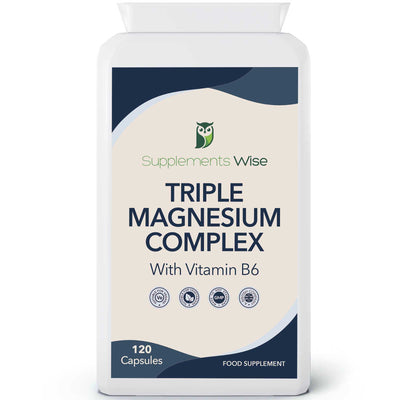 |
Triple Magnesium Complex (120 caps) 375mg elemental magnesium across bisglycinate, malate and taurate with B6, for circulation, cramps and sleep. UK GMP-certified · Vegan · 30-day returns · Free UK shipping
|
Is Iron Deficiency Behind Your Cold Extremities?
Iron deficiency is the most common nutritional deficiency in UK women of reproductive age, with around one in four affected to some degree. Low iron reduces the number of red blood cells available to carry oxygen, and the body responds by shunting blood away from fingers and toes toward the brain and heart.
The hallmark pattern is cold extremities plus tiredness, pale skin, breathlessness on stairs, and unusually brittle nails. Heavy periods, vegetarian or vegan diets, recent pregnancy and stomach ulcers are the most common UK causes.
Iron is the one supplement where self prescribing is a bad idea. Too much iron causes constipation and gut upset at low doses and is genuinely toxic to the liver at high doses, so a GP ferritin blood test is non negotiable before starting.
If you are confirmed low and want a context piece on the supplement side, our best iron supplement for tiredness in women guide covers iron forms, dose ranges and tolerability. We are currently out of stock on our iron specific products and have not listed an alternative here for that reason.
Does Vitamin D Help Circulation in the UK?
Vitamin D does not directly warm your hands. It does support endothelial function, the lining of every blood vessel in your body, and low vitamin D is independently associated with worse Raynaud's symptoms in several observational studies.
The UK is a vitamin D problem country between October and April because the sun sits too low for the skin to make any. NHS guidance suggests 10 micrograms (400 IU) per day for all adults during the darker months, and a higher 25 to 100 microgram dose for confirmed deficiency. Our vitamin D deficiency signs UK guide covers when to test, what numbers to look for, and how to interpret the result.
Pair vitamin D with magnesium and at least small amounts of vitamin K2 if you take more than 4000 IU per day for several months, since vitamin D draws on magnesium reserves and K2 helps direct the calcium it absorbs to bones rather than soft tissue.
Which Circulation Supplements Are a Waste of Money?
A few popular UK searches surface supplements that are heavily marketed for circulation without the trial data to back the claim. They are worth naming so you do not waste money.
Niacin, or vitamin B3 in flush form, causes a strong skin flush that feels like warmth but is not the same as improving circulation in fingers and toes. Doses high enough to flush also raise blood sugar and liver enzymes, so this is one to leave alone unless a doctor has prescribed it for cholesterol.
Vitamin E was once a Raynaud's standard but the trial evidence is weak. A small UK trial at 400 IU per day found no meaningful difference in Raynaud's attacks between vitamin E and placebo over four months. It is cheap and safe, but do not pin your hopes on it.
L-arginine increases nitric oxide in theory, but the oral supplementation trials in cold hands and feet are mostly small, short and unblinded. It is also poorly absorbed at the doses sold in over the counter capsules. If nitric oxide is your angle, a daily glass of beetroot juice does the same job for less money.
Horse chestnut extract has solid evidence for varicose veins and heavy legs, but the trials do not translate to cold hands or Raynaud's. We do not currently stock horse chestnut and would not pretend it solves a different problem.
How Long Do Circulation Supplements Take to Work?
Circulation supplements are slow to act because they work by gradually improving the function of small vessels, not by triggering an instant warm rush. The realistic timelines are eight to twelve weeks for ginkgo, six to twelve weeks for B12, eight weeks for magnesium, and three to six months for iron at a corrective dose.
A fair trial means same supplement, same dose, every day, with a paper diary or notes app to track Raynaud's attacks, the temperature at which your hands first feel cold, and how long they take to warm back up after coming inside. Without notes most people forget how they felt eight weeks ago and either give up too early or stay on a supplement that is not doing anything.
Key Takeaway
Pick one supplement based on your pattern, run a twelve week trial at the dose used in the evidence, keep a brief diary, and only stack a second supplement if the first has not moved the needle. Most people who add three at once cannot tell which one helped and end up paying for two they could drop.
Cold Hands and Feet Supplement Evidence at a Glance
| Supplement | Evidence Grade | Typical Daily Dose | Best Candidate |
|---|---|---|---|
| Ginkgo biloba | Moderate (RCT in Raynaud's) | 360mg standardised extract | Primary Raynaud's, mild peripheral cold |
| Vitamin B12 (methylcobalamin) | High (when deficient) | 1000 to 2000mcg oral | Cold plus tingling, vegans, over 60s |
| Magnesium | Moderate (vasodilation) | 300 to 375mg elemental | Cold plus cramps, restless legs, poor sleep |
| Iron (under GP guidance) | High (when deficient) | 14 to 65mg elemental | Confirmed iron deficiency anaemia |
| Vitamin D3 | Supporting (endothelial) | 400 to 4000 IU | October to April UK, anyone deficient |
| Vitamin E | Weak | 400 IU | Not a first pick |
| L-arginine | Weak (oral) | 3 to 6g | Beetroot juice is a better option |
| Niacin (flush form) | None for circulation | Not recommended OTC | Avoid unless prescribed |
Which Supplement Should You Try First?
Use the table below to pick a starting supplement based on the loudest single feature of your cold hands or feet. Treat it as a starting point not a prescription, and reassess at eight to twelve weeks.
| Loudest Feature | Starting Supplement | Add at Week 8 if No Change |
|---|---|---|
| Fingers go white then blue (Raynaud's pattern) | Ginkgo biloba | Magnesium, GP review |
| Cold plus tingling or pins and needles | GP B12 test, methylcobalamin if low | Full B complex |
| Cold plus night cramps or restless legs | Magnesium glycinate or triple complex | Ginkgo biloba |
| Cold plus tiredness, pale skin, heavy periods | GP ferritin test, iron only if confirmed low | B12 retest |
| Cold all over, weight gain, low mood | GP thyroid test, no supplement first | Treat thyroid first, reassess |
| Cold worse after smoking or vaping | NHS Stop Smoking, ginkgo at week four | Magnesium for sleep |
 |
Shop the Vitamins and Minerals Range Methylcobalamin B12, B Complex, vitamin D3, magnesium and the supporting nutrients used across this guide. UK GMP-certified · Vegan options · 30-day returns · Free UK shipping
|
Frequently Asked Questions
What vitamins help with cold hands and feet?
Vitamin B12 in the methylcobalamin form is the strongest pick when cold extremities come with tingling or numbness. Vitamin D3 supports the lining of small blood vessels and is worth taking through the UK autumn and winter. Iron only helps if a blood test has confirmed you are deficient, and B3 in its flush form is not the same as improving circulation.
Does ginkgo biloba actually warm up cold hands?
The cleanest trial showed ginkgo cut Raynaud's attacks from 13.2 per week to 5.8 per week over ten weeks at 360mg per day. It works gradually rather than instantly, so plan a twelve week trial. Anyone on blood thinners, on aspirin, or scheduled for surgery in the next four weeks should not take it without speaking to a pharmacist first.
How long do circulation supplements take to work?
Ginkgo and magnesium typically need eight to twelve weeks, and vitamin B12 corrects nerve symptoms over six to twelve weeks when deficiency is the cause. Iron at a corrective dose needs three to six months to fully restore ferritin levels. Keep a brief diary so you can see whether the supplement is actually helping rather than guessing from memory.
Can magnesium help with poor circulation?
Yes, modestly. Magnesium relaxes small blood vessels, which is the same mechanism prescription calcium channel blockers use for Raynaud's, and the clearest trial showed 350mg per day improved flow mediated dilation over twenty four weeks. It tends to help most when cold extremities come alongside night cramps, restless legs or poor sleep, since the same dose addresses all three.
Are cold hands a sign of B12 deficiency?
They can be. B12 deficiency damages the myelin sheath around peripheral nerves, which causes tingling, numbness and a cold sensation in the hands and feet. The pattern is the giveaway: cold plus pins and needles, cold plus unexplained fatigue, or cold plus a vegan or vegetarian diet are all reasons to ask a GP for a B12 blood test before reaching for a capsule.
Is it better to take B12 as methylcobalamin or cyanocobalamin?
Methylcobalamin is the active form your body already uses, so it bypasses the conversion step. At oral doses above 1000 micrograms the difference between the two forms is smaller than the supplement industry suggests, but methylcobalamin is a sensible default for anyone with B12 deficiency, peripheral nerve symptoms or an MTHFR variant. Our methylcobalamin versus cyanocobalamin guide covers the detail.
When should I see a doctor about cold hands and feet?
Book a GP appointment within a week if cold is paired with persistent tingling, sores that will not heal, calf pain when walking, or a sudden colour change in one finger or toe. Call NHS 111 if a finger or toe stays white or blue for more than an hour, and 999 if a limb suddenly becomes cold, pale and painful. These can point to peripheral artery disease, severe Raynaud's or a clot that needs urgent assessment.
Cold hands and cold feet are common, mostly harmless, and slow to shift. Ginkgo biloba, vitamin B12, magnesium and vitamin D each have a role, but the gains stack on top of the boring basics rather than replacing them. Move every hour, layer properly, stop smoking, pick one supplement based on your pattern, and run a twelve week trial before you change anything.
This article is for information only and is not medical advice. Food supplements should not replace a varied diet or a healthy lifestyle. Speak to your GP or pharmacist before starting any new supplement, especially if you are pregnant, breastfeeding, taking medication or managing a health condition.