Tinnitus Supplements: An Honest UK Guide for People Living with Ringing Ears

If you are reading this, the chances are you have been hearing a high pitched whine, a low hum or a hiss in one or both ears that nobody else can hear. Tinnitus affects roughly one in seven UK adults at some point, and most people who Google it end up looking at supplements within the first week. The honest answer is that no supplement reliably cures tinnitus, but the picture is more interesting than that headline suggests.
Some nutrients help a small subset of people, particularly those who are deficient. Others have been heavily marketed for decades on weak evidence. This guide walks through what the UK and international evidence actually says about vitamin B12, ginkgo biloba, magnesium, zinc and the popular multi ingredient blends, and how to think about supplements as part of a wider tinnitus plan rather than a magic pill.
Key Takeaway
Supplements do not cure tinnitus. They help most when they correct a measured deficiency, particularly low vitamin B12 or low magnesium. For everyone else, lifestyle changes, hearing checks and cognitive behavioural therapy have a stronger evidence base than any capsule.
What Tinnitus Actually Is and Why It Happens
Tinnitus is the perception of sound when no external sound is present. It is a symptom, not a disease in itself, and it usually points to a change somewhere in the hearing pathway from the inner ear up through the auditory cortex.
The most common UK triggers are age related hearing loss, noise exposure and earwax build up. Other causes include ear infections, certain medications such as high dose aspirin or some antibiotics, head and neck injuries, jaw joint problems and circulatory changes. A smaller group of cases links to acoustic neuroma, otosclerosis or Meniere's disease.
Because tinnitus is a symptom, the question "what supplement should I take" has the same answer as "what supplement should I take for back pain". It depends entirely on what is causing it.
Why Supplements Get So Much Attention
The NHS has no approved drug for tinnitus, and most people are told to learn to live with it. That leaves a huge gap between the size of the problem and what mainstream medicine offers, which is exactly the gap supplement marketing fills.
UK searches for tinnitus supplements run into the tens of thousands per month, and the SERPs are dominated by branded multi ingredient blends, affiliate review sites and a small number of audiology clinics. The honest UK evidence guide is the missing piece, which is what we have tried to write here.
Vitamin B12 and Tinnitus: The Best Evidence Among Supplements
Vitamin B12 supports the myelin sheath that wraps nerve fibres, including those in the auditory pathway. Low B12 has been linked to demyelination, and a meaningful slice of people with chronic tinnitus turn out to be deficient when tested.
A 2016 pilot study in Noise & Health found that 42.5 per cent of chronic tinnitus patients were vitamin B12 deficient, and the deficient patients who received B12 therapy showed significant improvement in tinnitus severity scores after six weeks (Singh et al., 2016, DOI: 10.4103/1463-1741.178485). This pattern repeats across several smaller studies: B12 helps tinnitus when tinnitus is being driven by B12 deficiency, and does very little otherwise.
In the UK, vegans, strict vegetarians, anyone on long term proton pump inhibitors or metformin, and adults over 50 are all at higher risk of low B12. If you fall in any of those groups and have tinnitus, getting your B12 tested is a sensible early step. Our deeper guide on methylcobalamin vs cyanocobalamin explains which form to ask for if a supplement is the right next step.
Ginkgo Biloba for Tinnitus: What the Research Actually Shows
Ginkgo biloba is the most marketed tinnitus supplement in the UK, usually as the standardised extract EGb 761. The case for it rests on improved microcirculation in the inner ear and antioxidant effects on the cochlear hair cells.
The Cochrane review of ginkgo for tinnitus concluded that there is no convincing evidence that ginkgo biloba is effective for the treatment of primary tinnitus (Hilton, Zimmermann and Hunt, 2013, DOI: 10.1002/14651858.CD003852.pub3). A few smaller trials on patients with dementia and tinnitus together have shown modest improvement, and some practitioners still favour EGb 761 at 240mg per day for 12 weeks in older adults.
For a healthy adult under 50 with garden variety noise induced tinnitus, ginkgo on its own is unlikely to move the needle. For an older adult with mild cognitive decline plus tinnitus, a 12 week trial of a standardised extract is reasonable if blood thinners and surgery dates have been ruled out. Our honest review of ginkgo for memory covers the same evidence base in more depth.
When Ginkgo Might Be Worth Trying
The realistic candidates for a ginkgo trial are people over 60 with age related cognitive change alongside tinnitus, people whose tinnitus is paired with episodes of dizziness, and people who have already addressed the obvious lifestyle factors and want one final 12 week experiment before they stop.
The realistic non candidates are anyone on warfarin, apixaban or other anticoagulants, anyone scheduled for surgery within four weeks, and pregnant or breastfeeding women.
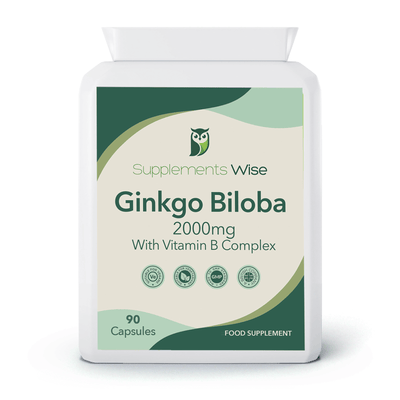 |
Ginkgo Biloba 2000mg with B Complex (90 caps) Standardised 50:1 extract paired with a full daily B complex, including B12, for a 12 week tinnitus trial. UK GMP-certified · Vegan · 30-day returns · Free UK shipping
|
What the Research Says
The Cochrane review of four randomised trials in adults with primary tinnitus found no significant difference between ginkgo biloba and placebo (Hilton, Zimmermann and Hunt, 2013, DOI: 10.1002/14651858.CD003852.pub3). The same review noted that small open label trials in older adults with cognitive impairment plus tinnitus have shown modest benefit, which is where the case for EGb 761 at 240mg per day still has some merit.
Magnesium for Tinnitus: Plausible but Inconsistent
Magnesium has a credible mechanism for tinnitus. It blocks NMDA receptors in the auditory pathway, which is one of the proposed pathways for the noise overactivity that drives some chronic tinnitus.
The clinical evidence is thinner than the mechanism suggests. A small trial in patients with chronic tinnitus reported reduced severity scores after eight weeks of magnesium supplementation, and a handful of UK military studies have shown magnesium can blunt noise induced hearing damage when taken before exposure. Cochrane has not produced a dedicated review of magnesium for tinnitus, which is itself a fair signal of how thin the evidence base is.
If your tinnitus started after a loud concert, gig or shooting day, magnesium is a reasonable thing to trial alongside the lifestyle work. Our Magnesium Glycinate with B6 is the gentlest form on the stomach at the 300mg elemental dose used in most studies.
Zinc, Selenium and Why Deficiency Matters
Zinc is concentrated in the cochlea, and low serum zinc has been observed in some tinnitus patients, particularly older adults. The Cochrane review of zinc for tinnitus, however, concluded that there is insufficient evidence to support the routine use of zinc supplements in tinnitus patients with normal zinc status (Person et al., 2016, DOI: 10.1002/14651858.CD009832.pub2).
The honest reading is the same pattern as B12 and magnesium: zinc helps people who are deficient, and does little for those who are not. Vegetarians, older adults and people on long term diuretics are the groups worth testing. We do not currently stock a standalone zinc citrate, and we will not recommend dosing yourself with 50mg per day off the back of a single tinnitus paper.
Melatonin, Lipoflavonoids and What We Do Not Sell
Two other supplements deserve a mention because they come up in nearly every UK search result.
Melatonin has a small evidence base for tinnitus where the dominant complaint is poor sleep driven by the ringing. A double blind trial at 3mg before bed showed improvement in sleep and tinnitus loudness scores in patients with severe tinnitus. In the UK, melatonin is a prescription only medicine, which means a GP conversation is the right route rather than an over the counter capsule.
Lipoflavonoids are heavily marketed in the US for tinnitus, usually as a citrus bioflavonoid blend with B vitamins and vitamin C. The independent evidence is limited to a few decades old observational studies in Meniere's disease, not modern tinnitus trials. We do not sell a lipoflavonoid product and would not call this a strong evidence pick.
Lifestyle and Therapy Beat Pills
The strongest evidence in tinnitus is not in the supplement aisle. It is in cognitive behavioural therapy, sound enrichment and properly fitted hearing aids when there is underlying hearing loss.
A Cochrane review of CBT for tinnitus found moderate quality evidence that CBT reduces the impact of tinnitus on quality of life, even when the ringing itself does not change (Fuller et al., 2020, DOI: 10.1002/14651858.CD012614.pub2). The British Tinnitus Association lists NHS audiology departments and approved private clinics that offer tinnitus CBT.
Sound Therapy and Hearing Aids
If a hearing test shows even mild hearing loss alongside the tinnitus, fitting hearing aids often reduces the perception of the ringing because the brain stops straining for missing input. NHS audiology will assess this for free if your GP refers you.
Sleep, Caffeine and Blood Pressure
Sleep deprivation, high caffeine intake and uncontrolled high blood pressure all amplify tinnitus in many people. Fixing sleep, capping caffeine at four cups of tea or coffee a day before noon, and treating blood pressure usually does more in eight weeks than any capsule. If stress is the bigger driver, our guide to supplements for stress and anxiety covers the same magnesium and ashwagandha evidence in detail.
Worth Knowing
See your GP urgently if tinnitus is in one ear only, comes on suddenly over a few hours, is paired with sudden hearing loss, dizziness or vertigo, or follows a head injury. Sudden unilateral tinnitus can point to acoustic neuroma or sudden sensorineural hearing loss, both of which need referral within 24 to 48 hours. Call NHS 111 outside GP hours, or 999 if it follows a serious head injury.
Tinnitus Supplement Evidence Grade at a Glance
| Supplement | Evidence Grade | Typical Daily Dose | Best Candidate |
|---|---|---|---|
| Vitamin B12 (methylcobalamin) | Moderate if deficient | 1,000mcg daily, 12 weeks | Vegans, over 50, PPI users |
| Ginkgo biloba (EGb 761) | Weak overall, modest in older adults | 120 to 240mg standardised, 12 weeks | Over 60 with cognitive change |
| Magnesium glycinate | Plausible mechanism, thin trials | 300mg elemental, 8 weeks | Noise induced tinnitus |
| Zinc | Weak unless deficient | 15 to 30mg, 8 to 12 weeks | Older adults, vegetarians |
| Melatonin (prescription UK) | Modest if sleep is wrecked | 2 to 3mg before bed | Tinnitus plus insomnia |
| Lipoflavonoids | Very weak modern evidence | Not recommended as a first pick | None clear cut |
Building a Sensible Tinnitus Supplement Routine
The mistake most people make is stacking five supplements on day one and then not knowing which one helped, hurt or did nothing. A cleaner approach is to pick one or two evidence linked supplements, run them for 12 weeks, then assess with the same tinnitus severity questionnaire used at the start.
The table below maps the loudest single feature of your tinnitus to a sensible starting supplement and a realistic expectation. Use it as a starting point, not a prescription.
| Loudest Trigger or Feature | First Step | Supplement Worth Considering |
|---|---|---|
| Vegan, vegetarian or over 50 | Ask GP for B12 blood test | Methylcobalamin B12 1,000mcg daily |
| After loud noise exposure | Use ear protection going forward | Magnesium glycinate 300mg |
| Over 60, mild cognitive change | Discuss ginkgo with GP if on blood thinners | Standardised ginkgo biloba 240mg |
| Sleep destroyed by ringing | Sleep hygiene plus CBT referral | GP discussion about melatonin |
| Stress and anxiety driven | Tinnitus CBT through NHS audiology | Magnesium glycinate plus B complex |
Key Takeaway
Treat supplements as a 12 week experiment, not a lifelong commitment. If a sensible trial of B12, ginkgo or magnesium has not moved your tinnitus severity score after three months, stop, save the money, and put your effort into hearing assessment, CBT and sleep instead.
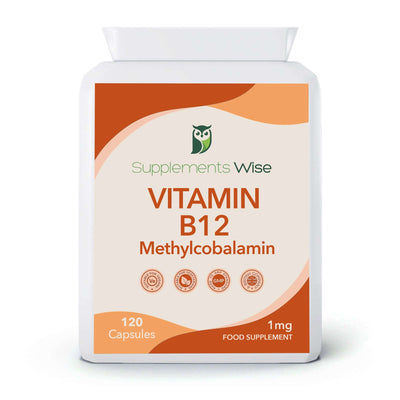 |
Shop the Vitamins and Minerals Range Methylcobalamin B12, magnesium glycinate and other single ingredient picks for building a clean tinnitus stack. UK GMP-certified · Vegan options · 30-day returns · Free UK shipping
|
Frequently Asked Questions
Can any supplement cure tinnitus?
No supplement cures tinnitus on current evidence. Some can reduce severity when they correct a measured deficiency, particularly vitamin B12 in deficient people. Most people see the biggest gains from hearing assessment, cognitive behavioural therapy and sound enrichment rather than capsules.
How long should I trial a supplement for tinnitus?
Twelve weeks is the standard trial length used in tinnitus research. Score your tinnitus severity at week zero and week 12 using the same questionnaire, and stop the supplement if there is no change. Stacking five supplements at once makes it impossible to tell which one helped.
Does ginkgo biloba really work for tinnitus?
The Cochrane review concluded there is no convincing evidence that ginkgo biloba helps primary tinnitus on its own. Small trials in older adults with both cognitive change and tinnitus show modest benefit. Avoid ginkgo if you take blood thinners, are pregnant or have surgery scheduled within four weeks.
Should I take vitamin B12 for tinnitus if I am not vegan?
It is worth a B12 blood test first, especially if you are over 50, on long term acid reflux medication or metformin. Roughly four in ten chronic tinnitus patients in pilot studies were B12 deficient, and that group benefits most. If your B12 is normal, a supplement is unlikely to change the ringing.
Is magnesium worth trying for noise induced tinnitus?
The mechanism is plausible and the safety profile of magnesium glycinate is good, so an eight to twelve week trial at 300mg elemental magnesium is reasonable after a recent loud noise event. Pair it with hearing protection going forward. Do not exceed 400mg of supplemental magnesium daily without medical advice.
When should tinnitus send me to the GP urgently?
Same day or next day if tinnitus is in one ear only, comes on suddenly, is paired with new hearing loss, dizziness, vertigo, or follows a head injury. Sudden one sided symptoms can point to acoustic neuroma or sudden sensorineural hearing loss, both of which need urgent referral.
Where does the British Tinnitus Association fit in?
Tinnitus UK, the operating name of the British Tinnitus Association, runs a free helpline and online support, and lists NHS and approved private clinics offering tinnitus CBT and sound therapy. They are the best UK starting point for anyone newly diagnosed and a stronger first call than any supplement company.
The practical short version is this. Get your hearing tested, get a B12 blood test if you fall in a risk group, sort sleep and caffeine, and consider one supplement trial at a time for 12 weeks. The evidence based UK answer is calmer and less expensive than the supplement aisle wants you to believe.
This article is for information only and is not medical advice. Food supplements should not replace a varied diet or a healthy lifestyle. Speak to your GP or pharmacist before starting any new supplement, especially if you are pregnant, breastfeeding, taking medication or managing a health condition.