Best Supplements for Stress and Anxiety: What Actually Helps in the UK

Search "best supplements for stress and anxiety" in the UK and you get sold something different on every page. Pharmacies push valerian, wellness brands push ashwagandha, and Instagram pushes whatever has the prettiest jar. The honest summary is that three or four ingredients have real human trial data, the rest are mostly marketing, and no supplement replaces sleep, exercise, or therapy when symptoms are taking over your day.
This is a UK guide to the supplements that actually have evidence behind them for stress and mild anxiety, the ones that probably don't, how to stack them sensibly, and when the right next step is a GP appointment rather than another bottle.
Key Takeaway
Magnesium glycinate, ashwagandha and L-theanine are the three supplements with the strongest evidence for everyday stress and mild anxiety. Magnesium and B vitamins fix the most common nutrient gap, ashwagandha lowers measured cortisol, and L-theanine takes the edge off acute tension within an hour. Anything more emotionally heavy, including persistent panic, low mood, or sleep loss past two weeks, needs a GP, not a bigger supplement order.
The Short Answer: What Actually Helps
If you only read one paragraph, here it is. For everyday work-and-life stress, start with magnesium glycinate at 300mg of elemental magnesium daily and run it for at least six weeks. If you also feel "wired but tired", add KSM-66 ashwagandha at 300mg twice a day for 8 to 12 weeks. For acute moments, 200mg of L-theanine works within an hour without sedation.
Almost everything else in the stress and anxiety supplement aisle is either a softer version of one of these three, a vitamin you only need if you are deficient, or a herb with weaker trial data than the label suggests. The point of this guide is to make that gap obvious so you spend on the things that move the needle.
How Stress and Anxiety Show Up in the Body
Stress is a hormonal cascade. The adrenal glands release cortisol and adrenaline, the heart rate climbs, the gut slows, and the brain shifts blood away from the rational prefrontal cortex toward the threat-detection limbic system. Done occasionally, that response is useful. Done daily for months, it burns through magnesium, depletes B vitamins, raises blood pressure, and rewires sleep.
Anxiety is the cognitive cousin. The same biology fires up without an obvious threat, and the body holds a low-grade alert state. UK NHS figures suggest around 1 in 6 adults in England report a common mental health problem in any given week, with anxiety disorders the most common category, and stress-related sickness absence has climbed steadily through the 2020s.
Supplements act on the chemistry side. They can calm a magnesium-depleted nervous system, dampen cortisol, support neurotransmitter production, and improve sleep. What they cannot do is solve the input. If the cause is overwork, an unprocessed life event, or untreated clinical anxiety, the bottle is a buffer, not a fix.
Lifestyle First: Why No Capsule Beats Sleep, Movement and Therapy
The biggest evidence-backed levers for stress and anxiety are not supplements at all. They are sleep of seven to nine hours, structured aerobic exercise three to five times a week, cognitive behavioural therapy for moderate-to-severe anxiety, and time away from screens after dark.
A useful mental check: if your sleep is broken, your alcohol intake has crept up, you have stopped exercising, or you have not had a real day off in a month, no supplement is going to outwork that environment. The honest sequence is to address those four levers first and to use supplements as an aid, not a replacement. Get the basics in place and the supplements work better too.
The other useful filter is the two-week rule. Low mood and worry that fade within two weeks once life calms down rarely need clinical care. Symptoms that persist beyond two weeks, or that come with panic attacks, intrusive thoughts, or sleep loss most nights, are a GP conversation. Our UK brain fog guide covers the cognitive overlap with stress in more detail.
Magnesium Glycinate: The Most Reliable Foundation
Magnesium is the most common supplement gap in stress-prone adults, and it is the one with the most consistent anxiety trial data. A 2017 review in Nutrients pooled the results of 18 studies looking at magnesium supplementation and self-reported anxiety, and reported a positive effect of magnesium on mild anxiety symptoms, especially in people with low baseline status or premenstrual anxiety (Boyle, Lawton and Dye, 2017, DOI: 10.3390/nu9050429).
The form matters. Magnesium glycinate (also called magnesium bisglycinate) is the form most often recommended for stress and anxiety, because the glycine carrier is itself a calming amino acid, the absorption is high, and it does not cause the loose stools that citrate or oxide can. Magnesium taurate and magnesium L-threonate also have small trials behind them. Magnesium oxide, which is what cheap multivitamins use, is poorly absorbed and is the wrong tool here.
What the Research Says
The Boyle 2017 Nutrients review concluded that supplementation in the range of 100mg to 300mg of elemental magnesium daily produced improvements in self-reported anxiety in studies running between 4 and 12 weeks. The effect was clearest in adults with already-low magnesium intake, which describes a large slice of UK adults given the NDNS survey figures showing roughly one in five UK women and one in ten men fall below the recommended intake.
A practical UK plan is to take 300mg of elemental magnesium from glycinate or a blended complex with the evening meal, give it six to eight weeks, and judge by sleep quality and the way you handle a stressful day. The British Nutrition Foundation considers daily intakes up to 400mg from supplements safe for most adults, alongside dietary magnesium from leafy greens, nuts and wholegrains.
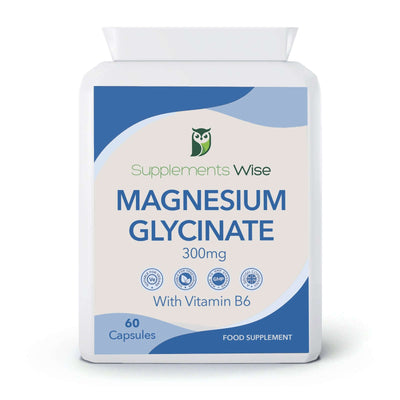 |
Magnesium Glycinate with Vitamin B6, 60 Capsules 300mg elemental magnesium from bisglycinate per 2-capsule serving, plus 5mg vitamin B6. One-month supply. UK GMP-certified · Vegan · 30-day returns · Free UK shipping
|
Ashwagandha: The Most-Studied Adaptogen for Stress
Ashwagandha is the herb with the most credible human trial data for stress reduction, and it earns its place in this guide on cortisol numbers rather than vibes. A 2012 randomised, placebo-controlled trial in the Indian Journal of Psychological Medicine using 300mg of the KSM-66 extract twice a day for 60 days reported a 27.9% reduction in serum cortisol and significant improvements in the Perceived Stress Scale (Chandrasekhar, Kapoor and Anishetty, 2012, DOI: 10.4103/0253-7176.106022).
A 2019 trial in Cureus replicated the cortisol effect with KSM-66 at 240mg daily over 60 days and reported reductions in stress-related serum DHEA changes as well (Salve, Pate, Debnath and Langade, 2019, DOI: 10.7759/cureus.6466). Importantly, the effect is cumulative rather than acute. Ashwagandha is not a calmer-on-demand. It is a 6 to 12 week intervention that gradually shifts the stress baseline.
The form matters here too. Most of the good trials use standardised root extracts, especially KSM-66 and Sensoril, dosed at 250mg to 600mg per day. Cheap whole-root powders at low milligrams are not the same product. Ashwagandha is generally well tolerated, but it should not be taken during pregnancy, and people with autoimmune thyroid disease (Hashimoto's or Graves') or those taking immunosuppressants should ask a GP first.
L-Theanine: Quick Calm Without Drowsiness
L-theanine is an amino acid found in green tea leaves, and it sits in a different niche from magnesium and ashwagandha. It is the closest thing the supplement aisle has to an on-demand calmer, with effects that show up within 30 to 60 minutes and fade across a few hours.
A 2019 randomised controlled trial in Nutrients gave healthy adults 200mg of L-theanine daily for 4 weeks and reported reductions in stress-related symptoms, improvements in sleep quality and verbal fluency on cognitive testing (Hidese et al., 2019, DOI: 10.3390/nu11102362). A 2019 systematic review in the Journal of Medicinal Food covering 21 studies concluded that L-theanine at 200mg to 400mg has a measurable acute anxiolytic effect, especially when paired with caffeine (Williams et al., 2019, DOI: 10.1089/jmf.2018.4365).
Practically, L-theanine is the supplement to keep in mind for a high-pressure meeting, a flight, or a wave of evening tension. It is not addictive, does not produce next-morning grogginess, and pairs well with magnesium at the end of the day. UK retailers sell it standalone in 100mg and 200mg capsules, and it is often included in stress and sleep blends.
B Vitamins: Why Stress Burns Through Them
The B group, especially B5, B6, B9 and B12, is involved in adrenal hormone production, neurotransmitter synthesis and methylation of stress chemicals. Sustained stress increases turnover of all of them. A 2017 systematic review in Maturitas concluded that B-vitamin supplementation can improve stress symptoms, energy and mood, particularly in adults under sustained workload or with low baseline intakes (Young, Pipingas, Camfield and Stough, 2019, DOI: 10.1089/jmf.2018.4365).
The catch is that a B complex is only useful when there is a gap to fill. A UK adult eating a balanced diet with meat, eggs, dairy and leafy greens probably has adequate B intake. Vegans, vegetarians, heavy drinkers, anyone on long-term proton-pump inhibitors, and adults over 50 are more likely to benefit. The cleanest formats are a balanced B complex once a day with breakfast, or a methylated B12 alongside food.
Our methylcobalamin versus cyanocobalamin guide covers the form choice for B12 if your stress symptoms come with tiredness, brain fog or pins-and-needles.
Vitamin D and Omega-3: The Underlying Picture
Low vitamin D status is common in the UK from October to March, and observational studies link it with low mood and higher self-reported anxiety. The picture in healthy adults is mixed, but the NHS recommendation to supplement 10µg (400 IU) of vitamin D across autumn and winter is sensible regardless, and at-risk groups can sit higher.
Omega-3 fats, specifically EPA and DHA from fish oil, have moderate evidence for depression and a smaller signal for anxiety. A 2018 JAMA meta-analysis found a modest reduction in anxiety symptoms with omega-3 doses of around 2g per day, mostly EPA-dominant formulations. If you eat oily fish twice a week, you probably get enough. If you do not, a daily fish oil or algae-based omega-3 is reasonable. Vitamin D and omega-3 are foundation-fixers, not stress-specific tools. They earn their place in a broader nutrient picture, not as a quick anxiety fix.
Our UK vitamin D deficiency signs guide covers when to test, what levels to aim for, and how to top up.
Adaptogenic Mushrooms: Reishi and Lion's Mane
Functional mushroom blends are a fast-growing UK category, and the evidence here is reasonable for cognitive support and emerging for stress. Reishi is the mushroom most often associated with calm and sleep, traditionally used for "shen" or nervous tension in East Asian medicine. Lion's Mane has stronger evidence for cognition than for stress directly, but its mood-stabilising effect in a 2019 Japanese pilot study has earned it a place in the mental-wellness conversation.
A 2023 trial in Nutrients on a multi-species mushroom blend (Docherty et al., 2023, DOI: 10.3390/nu15224842) reported improvements in subjective stress and sleep quality, although the study was small and short. Mushroom complexes earn a "supporting" rather than "lead" rating in the stress stack. They are most useful for adults who want a single multi-target capsule rather than five separate bottles.
Stress Supplements That Probably Won't Help
Three categories under-deliver against the marketing.
The first is CBD oil at supermarket strength. UK retail CBD is capped at low concentrations under the Food Standards Agency's novel-food rules, and the doses with clinical evidence for anxiety in trials (300mg to 600mg) are far above what a typical 5% or 10% bottle delivers per dropper. There is a credible signal for anxiety at the higher trial doses; there is much less of one at the retail-pack doses.
The second is generic "stress relief" blends with everything thrown in at sub-clinical doses. A capsule with 50mg of ashwagandha, 20mg of L-theanine, 30mg of magnesium and a sprinkle of B vitamins delivers nothing at a useful dose. If a label hides the actual milligrams behind a "proprietary blend", treat it as a marketing object, not a clinical tool.
The third is melatonin sold privately in the UK. Melatonin is a prescription-only medicine in the UK and Ireland, sold legally over the counter only in the US, Canada and a handful of European countries. The doses are useful for jet lag and shift work, but UK stress relief through melatonin should go through a GP, not an imported bottle.
How to Build a Realistic UK Stress Stack
The best stress stacks are layered, not piled. Start with the foundation, then add one element at a time, give each one six to eight weeks, and only build outward when you have a baseline.
| Loudest Symptom | Starting Supplement | Add-On at Week 6 If Needed |
|---|---|---|
| Wound up at night, can't switch off | Magnesium glycinate 300mg evening | L-theanine 200mg evening |
| Wired but tired, low energy mornings | KSM-66 ashwagandha 300mg twice daily | B complex with breakfast |
| Pre-event nerves, public speaking | L-theanine 200mg 30-60 min before | Magnesium glycinate daily base |
| Low mood with stress, dark winter months | Vitamin D3 1000-4000 IU + omega-3 | Methylated B complex |
| Brain fog, focus dips under pressure | Mushroom complex with Lion's Mane | B12 methylcobalamin |
| PMS-driven mood and tension swings | Magnesium glycinate + B6 | Ashwagandha KSM-66 |
The pattern that catches most people out is taking two or three new supplements at once and not knowing which one moved the dial. A boring six-week trial of magnesium alone, with a quick weekly journal entry on sleep and mood, will tell you more than a stack of six unknowns.
| Supplement | Evidence Grade | Typical Daily Dose |
|---|---|---|
| Magnesium glycinate | Strong | 200-400mg elemental, evening |
| Ashwagandha KSM-66 | Strong | 300-600mg, split dose |
| L-theanine | Moderate | 100-400mg, as needed or daily |
| B-complex (methylated) | Moderate, if deficient | Once daily, morning |
| Vitamin D3 | Moderate, foundation | 1000-4000 IU with food |
| Omega-3 EPA/DHA | Moderate, mostly mood | 1-2g daily |
| Mushroom complex (Reishi, Lion's Mane) | Emerging | 1000mg blended daily |
| Valerian, passionflower, lemon balm | Weak to moderate | Varies by extract |
Worth Knowing
Supplements are not a substitute for clinical care if you have moderate-to-severe anxiety, panic disorder, or any thoughts of self-harm. If symptoms persist beyond two weeks, interfere with work or relationships, or come with chest pain or breathing changes you cannot explain, the right next step is your GP or NHS 111. Mind, Samaritans and Anxiety UK offer free UK support and can be a first port of call before or alongside a GP appointment.
Pairing Ashwagandha with the Daily Foundation
For adults whose stress sits more in the "wired but tired" zone, ashwagandha is the workhorse of the second layer. The 6 to 12 week timeline matters here. The cortisol changes do not happen on day three. They happen between week 4 and week 8, and the trials that show the strongest results all use full standardised extracts at the KSM-66 or Sensoril level.
Avoid stacking ashwagandha with other strong adaptogens like rhodiola in the first round. The point of a trial is to see which one is doing the work. Once you know, you can layer. Our ashwagandha versus rhodiola guide walks through how to pick between the two.
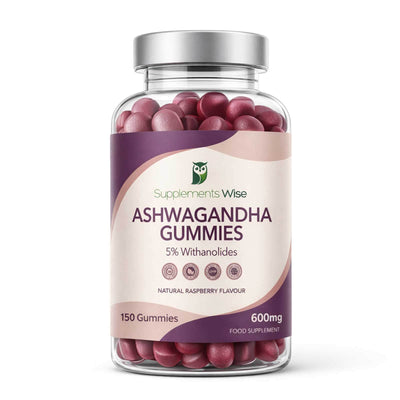 |
KSM-66 capsules, natural-flavour gummies and Shilajit-blended formulas. The doses used in stress trials, in three formats. UK GMP-certified · 30-day returns · Free UK shipping
|
When to See Your GP, Not Just Buy More Supplements
The supplement route is good for everyday tension, transient sleep disruption, and the kind of stress that comes with a stretching life. It is not the route for clinical anxiety, depression, panic disorder, or anything that is genuinely impairing day-to-day life.
The red flags worth a GP visit are persistent symptoms past two weeks, panic attacks more than once or twice, intrusive worries that you cannot control, sleep that has collapsed, alcohol or other use creeping up, and any thoughts of harm. Cognitive behavioural therapy and, where appropriate, prescribed medication, sit alongside lifestyle change and supplements rather than competing with them. NHS Talking Therapies (formerly IAPT) is a free self-referral service in England, with equivalent services across the UK nations.
If a thyroid condition, perimenopause, low iron or B12 deficiency is in the background, the stress symptoms can come from there and supplements will not fix the underlying cause. Our perimenopause UK evidence guide and UK iron and tiredness guide for women cover the two most common overlaps.
Key Takeaway
Use supplements as a layer, not as a fix. Magnesium glycinate as the foundation, ashwagandha for the wired-tired pattern, L-theanine for acute moments, and B vitamins, vitamin D and omega-3 to close any nutrient gaps. Give each one six to eight weeks before judging. If a basic stack does not move the needle, the issue is upstream, and a GP appointment is worth more than another bottle.
Frequently Asked Questions
What is the best supplement for stress and anxiety in the UK?
Magnesium glycinate is the most reliable first supplement to try for everyday stress and mild anxiety. The form is well absorbed, it does not upset the stomach, and the trial evidence is strongest in adults with low baseline magnesium. A daily dose of around 300mg of elemental magnesium in the evening, run for at least six weeks, is the standard starting point. Ashwagandha and L-theanine sit alongside it for specific patterns.
How long do anxiety supplements take to work?
L-theanine acts within 30 to 60 minutes and is the closest to an on-demand effect. Magnesium glycinate usually shows up in sleep quality within two weeks and in stress tolerance within four to six. Ashwagandha works on a slower clock, with cortisol changes appearing in trials between week four and week eight at standardised KSM-66 doses of 300mg to 600mg per day.
Can I take magnesium and ashwagandha together?
Yes. Magnesium and ashwagandha act through different pathways and are commonly stacked. The trial doses do not interact, and many UK stress formulas combine them. The only reason to take them separately is to see which one is doing the work in the first round, which is useful if you are running a six-week trial. After that, taking them in the evening together is fine.
Is ashwagandha safe for everyday use?
For most healthy adults, KSM-66 ashwagandha at 300mg to 600mg per day is well tolerated across the published trial windows of 60 to 90 days. It should not be taken during pregnancy or breastfeeding, and people with autoimmune thyroid disease, taking immunosuppressants, or on thyroid hormone replacement should ask a GP first. Use it as a 6 to 12 week intervention with breaks, rather than a permanent daily.
Do B vitamins really help with stress?
B vitamins help when there is a gap to fill. Sustained stress increases turnover of B5, B6, B9 and B12, and supplementation can improve mood and energy in adults who eat poorly, drink heavily, are over 50, are vegan or vegetarian, or take long-term acid-suppressing medication. In a well-fed UK adult with a balanced diet, a daily B complex is more of an insurance policy than a stress-specific tool.
Can I buy melatonin for stress in the UK?
Melatonin is a prescription-only medicine in the UK. You cannot legally buy it over the counter, and any UK retailer offering melatonin without a prescription is on the wrong side of the rules. If sleep loss is the loudest symptom of your stress, the route is a GP, not an imported bottle. The over-the-counter UK options for sleep and stress are magnesium, L-theanine, ashwagandha and certain herbal blends.
Should I take supplements or speak to a GP first?
For everyday tension that comes and goes with workload or life events, a sensible supplement layer alongside sleep, movement and limited caffeine is reasonable to try first. If symptoms have lasted more than two weeks, you have had a panic attack, your sleep has collapsed, or you have any thoughts of self-harm, see a GP first. Supplements work better alongside care, not in place of it.
This article is for information only and is not medical advice. Food supplements should not replace a varied diet or a healthy lifestyle. Speak to your GP or pharmacist before starting any new supplement, especially if you are pregnant, breastfeeding, taking medication or managing a health condition.