Green Lipped Mussel for Dogs and Humans: 5 UK Evidence Facts in 2026

Green lipped mussel (Perna canaliculus) is one of the few natural joint ingredients with published clinical trial evidence in both dogs and humans. Its rare omega-3 fatty acid ETA inhibits both the COX-2 and LOX inflammatory pathways at once, while its natural glucosamine, chondroitin and mineral content provides structural cartilage support. Veterinary trials at roughly 77 mg per kg of body weight per day report pain and mobility improvements within four to six weeks, and a 2021 Marine Drugs systematic review of nine human RCTs reported clinically meaningful pain reductions at 200 to 600 mg per day over four to twelve weeks.
It sits alongside glucosamine (which does structural cartilage support) and standard fish oil (a single-pathway anti-inflammatory), not as a straight replacement for either. This UK guide covers where the evidence is strong, where it is not, how to dose it for a dog or a human, and how to spot a quality extract on the crowded UK shelf.
Key Takeaway
Green lipped mussel delivers a rare omega-3 fatty acid (ETA) that targets two inflammation pathways at once (COX-2 and LOX), plus naturally occurring glucosamine, chondroitin and joint-relevant minerals. Vet RCTs report noticeable improvements in dogs within 4 to 6 weeks, and a 2021 systematic review of 9 human RCTs reported moderate, clinically meaningful pain reductions. It is one supplement that legitimately serves both audiences.
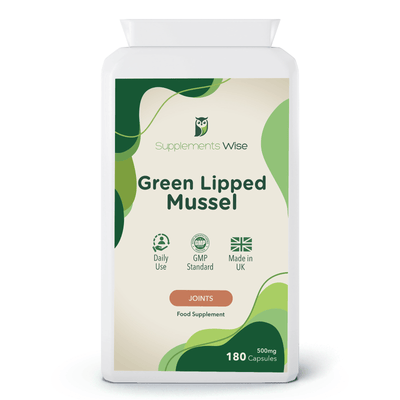
Made in the UK · GMP certified
Green Lipped Mussel Capsules 500mg
180 capsules · 6-month supply at 1 cap/day
- 500mg pure New Zealand Perna canaliculus per capsule
- Delivers the ETA fatty acid that hits COX-2 and LOX at once
- Dosed the same for dogs and humans, adjust caps by body weight
For dogs & humans · 30-day returns · Free UK shipping
In this article
- What is green lipped mussel and where does it come from?
- How does green lipped mussel actually support joints?
- What is ETA and why does it matter?
- What does the evidence say for dogs?
- What does the evidence say for humans?
- How does it compare to glucosamine and fish oil?
- Who should avoid green lipped mussel?
- How do you pick a quality UK green lipped mussel supplement?
- Which product should you actually try first?
- Frequently asked questions
What is green lipped mussel and where does it come from?
Green lipped mussel (Perna canaliculus) is a shellfish native to New Zealand, farmed in the clean coastal waters of the Marlborough Sounds. It takes its name from the distinctive green edge on its shell.
The Maori people of New Zealand have eaten green lipped mussels for centuries, and coastal Maori communities historically reported lower rates of arthritis than inland populations. That observation prompted researchers to investigate the mussel's anti-inflammatory properties in the 1970s, and the modern supplement industry followed from that work.
What makes it unusual as a joint supplement is the natural combination of compounds it delivers: omega-3 fatty acids including EPA, DHA and the rare ETA, glycosaminoglycans including chondroitin sulphate and glucosamine, joint-relevant minerals such as zinc, copper and manganese, and small amounts of vitamins C and E.
The whole extract appears to work better than any of its isolated components. That is why it earns a place in our shortlist of daily essentials for dogs whenever mobility is the goal.
How does green lipped mussel actually support joints?
The primary mechanism is anti-inflammatory. Green lipped mussel's headline compound is a fatty acid called eicosatetraenoic acid (ETA), which acts on the two main pain-and-swelling pathways in joints.
Beyond ETA, the natural chondroitin sulphate and glucosamine content provides structural support to cartilage and helps maintain the viscosity of synovial fluid, the lubricating liquid inside a joint. That means green lipped mussel addresses both the inflammation and the structural side of joint deterioration, rather than one or the other.
The EPA and DHA content adds a broader anti-inflammatory effect and contributes to cardiovascular and immune function. The zinc, copper and manganese support the enzymatic processes involved in connective tissue maintenance and repair.
Based outside the UK?
we don't ship internationally yet, but green-lipped mussel is widely available worldwide - find Green-Lipped Mussel on iHerb.
What is ETA and why does it matter?
ETA inhibits both the cyclooxygenase-2 (COX-2) and lipoxygenase (LOX) inflammatory pathways at the same time. That dual action is unusual: most conventional anti-inflammatories, including standard NSAIDs and regular fish oil, mainly hit the COX-2 pathway alone.
Because the LOX pathway is untouched by paracetamol, ibuprofen and standard omega-3 alike, blocking it as well means green lipped mussel can reach parts of the inflammatory cascade that conventional treatment does not. That is one plausible reason why the clinical trials report pain scores that are, in some measures, comparable to conventional treatments.
What the Research Says
Bierer TL, Bui LM (2002). Improvement of arthritic signs in dogs fed green-lipped mussel (Perna canaliculus). Journal of Nutrition, 132(6): 1634S-1636S. DOI: 10.1093/jn/132.6.1634S. Dogs receiving green lipped mussel showed significant improvements in joint swelling and overall pain scores versus placebo. Tahir A et al (2021). Green-lipped (greenshell) mussel extract in osteoarthritis: a systematic review of 9 RCTs. Marine Drugs, 19(6): 340. DOI: 10.3390/md19060340. Pooled human data showed moderate, clinically significant reductions in pain scores at 200 to 600 mg per day with a favourable safety profile.
What does the evidence say for dogs?
The veterinary evidence base for green lipped mussel is unusually strong for a natural joint ingredient. Several controlled trials have been published in peer-reviewed journals, which puts it ahead of many joint supplement options in evidence quality.
A trial in the Canadian Veterinary Journal by Rialland and colleagues evaluated a diet enriched with green lipped mussel in dogs with clinical osteoarthritis, measuring both owner-reported pain behaviour and objective peak vertical force (how much weight a dog is willing to load onto an affected limb). Dogs on the green lipped mussel diet showed significant improvements on both measures (Rialland et al., 2013, DOI: 10.4141/cjas2012-170).
A systematic review in Evidence-Based Complementary and Alternative Medicine concluded that green lipped mussel represents a credible complementary therapy for canine osteoarthritis, with multiple studies showing improvements in pain, mobility and joint function (Vandeweerd et al., 2012, PMC: PMC2722199). A 2022 trial by Corbee examined green lipped mussel combined with curcumin and blackcurrant leaf in dogs and cats with osteoarthritis, and reported mobility-score improvements over eight weeks (DOI: 10.1002/vms3.779).
Most veterinary studies report noticeable improvements within four to six weeks of consistent daily supplementation, and the dose most commonly cited in the literature is roughly 77 mg of extract per kilogram of body weight per day.
For a broader look at how green lipped mussel compares with glucosamine and turmeric formulas for dogs, see our guide to the best joint supplements for dogs. The PDSA arthritis in dogs guidance is a sensible companion read for any owner spotting stiffness after rest or reluctance to jump into the car.
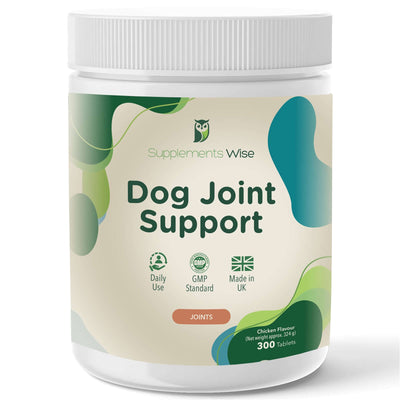
Made in the UK · GMP certified
Dog Joint Support Tablets, 7 Ingredients
300 tablets · 5-month supply at average dose
- Green lipped mussel plus glucosamine, MSM, turmeric and HA
- Hydrolysed collagen and manganese round out cartilage support
- One tablet covers inflammation and structural sides at once
For dogs · 30-day returns · Free UK shipping
What does the evidence say for humans?
For anyone weighing green lipped mussel for humans against dog-specific products, the extract itself is the same species and quality standards apply equally, only the daily dose differs.
The human evidence base is smaller than the one for glucosamine but has grown steadily since the first trials in the 1980s. It now includes several well-designed randomised trials and a 2021 systematic review of nine of them.
A 2021 systematic review published in Marine Drugs pooled nine clinical trials of green lipped mussel extract in patients with osteoarthritis and concluded that supplementation produced moderate and clinically significant treatment effects on pain, with a favourable safety profile (Tahir et al., 2021, DOI: 10.3390/md19060340).
A pilot trial in knee osteoarthritis compared green lipped mussel with glucosamine sulphate and found both produced improvements in pain and joint function, with green lipped mussel showing additional benefits for gastrointestinal comfort (Coulson et al., 2012, DOI: 10.1186/1472-6882-12-S1-P396).
Research on the lipid extract specifically (sometimes marketed as Lyprinol) has shown anti-inflammatory activity comparable to conventional NSAIDs in some measures, but without the gastrointestinal downside that pushes many people off long-term NSAID use. Human doses in the trials cluster at 200 to 600 mg per day, with benefits typically reported within four to twelve weeks. The Versus Arthritis position on green lipped mussel is worth reading alongside your GP's advice if arthritis is your main reason for taking it.
How does it compare to glucosamine and fish oil?
Green lipped mussel, glucosamine and fish oil are the three most widely used natural joint supplements on the UK shelf. They act through different mechanisms, which is why picking one over another (or combining them) depends on what you are trying to fix.
| Green Lipped Mussel | Glucosamine | Fish Oil (Omega-3) | |
|---|---|---|---|
| Primary mechanism | Dual COX-2 and LOX anti-inflammatory action via ETA | Cartilage repair and maintenance via glycosaminoglycan synthesis | COX-2 anti-inflammatory via EPA and DHA |
| Active compounds | ETA, EPA, DHA, chondroitin, glucosamine, minerals | Glucosamine (HCl or sulphate) | EPA and DHA |
| Structural joint support | Yes (natural GAGs) | Yes (primary function) | No |
| Anti-inflammatory | Yes (dual pathway) | Mild | Yes (single pathway) |
| Time to results | 4 to 6 weeks | 4 to 8 weeks | 4 to 8 weeks |
| Suitable for dogs | Yes | Yes | Yes |
| Suitable for humans | Yes | Yes | Yes |
| Evidence strength | Moderate (2021 systematic review of 9 RCTs) | Mixed (large base, conflicting results) | Strong for inflammation, moderate for joints alone |
| Additional benefits | Immune support, GI comfort | Primarily joint-specific | Cardiovascular, skin, coat, cognitive |
Green lipped mussel is not a direct replacement for glucosamine or fish oil. It works through a different (arguably broader) mechanism, and some owners and readers get the best results by pairing it with a glucosamine-based supplement: one addresses inflammation, the other supplies cartilage building blocks. Green lipped mussel does contain natural glucosamine, but at lower concentrations than a dedicated glucosamine formula.
Compared with standard fish oil, green lipped mussel offers a more targeted joint benefit because of its ETA content and natural glycosaminoglycans. Standard omega-3 fish oil capsules have a broader evidence base for cardiovascular and cognitive health, so they can sit alongside green lipped mussel for general wellbeing rather than as a joint-specific substitute.
Who should avoid green lipped mussel?
Green lipped mussel is generally well tolerated in both dogs and humans at standard doses, with side-effect rates similar to placebo across most clinical trials.
The most common human side effect is mild gastrointestinal discomfort, usually temporary and most likely when starting supplementation. In dogs, mild digestive upset can occur if the supplement is introduced too quickly, and starting at a lower dose and increasing gradually over a few days almost always prevents it.
Interestingly, some studies note that green lipped mussel may improve GI comfort compared with conventional anti-inflammatories, which is one of the reasons it appeals to people who cannot tolerate NSAIDs.
Worth Knowing
Green lipped mussel is a shellfish, so anyone (or any dog) with a known shellfish allergy should avoid it entirely. Dogs and humans on anticoagulants such as warfarin should only take it under vet or GP supervision because the omega-3 content can add a mild blood-thinning effect. If you are pregnant, breastfeeding, or being treated for a chronic condition, run it past your healthcare professional or vet first.
How do you pick a quality UK green lipped mussel supplement?
Not all green lipped mussel supplements are equal, and the differences in quality can decide whether you see any benefit. Three variables matter most.
Whole extract vs lipid-only extract. Some products contain only the lipid (fat-soluble) fraction, while others provide the whole extract that keeps the glycosaminoglycans, minerals and proteins alongside the omega-3s. Lipid-only extracts are more concentrated for pure anti-inflammatory work, but drop the structural benefit that comes with the whole mussel.
Stabilisation and processing. Green lipped mussel is heat- and oxidation-sensitive, so if the extract is not properly stabilised during manufacture, the bioactive lipids (including ETA) degrade and the product on the shelf is not what the marketing implies. Look for supplements that use freeze-dried or cold-processed mussel extract.
Milligrams of extract per serving, not per capsule. Some products list total capsule weight rather than the extract weight, so a "500 mg capsule" can contain much less actual mussel plus a lot of filler. Check the back of the label.
For dogs specifically, green lipped mussel comes as capsules, powders and as an ingredient inside broader joint formulas. Capsules can be given whole to larger dogs or opened and mixed into food for smaller dogs or fussy eaters. Our Green Lipped Mussel capsules deliver 500 mg of extract per capsule and are dosed the same for dogs and humans by adjusting capsule count to body weight.
If your dog already takes a broader formula such as our Dog Joint Support, which pairs green lipped mussel with glucosamine, MSM, turmeric, hyaluronic acid and hydrolysed collagen, you are already getting the anti-inflammatory and structural sides in one tablet. If you would rather layer a turmeric-forward product for extra anti-inflammatory support, our turmeric supplements for dogs combine 500 mg turmeric with black pepper for absorption. For a fuller comparison with other adaptogen and calming ingredients, see our supplement ingredients guide for dogs and our turmeric for dogs guide.
Green Lipped Mussel Capsules, 500mg
Pick your size · Same 500mg extract, dose by body weight
Made in the UK · GMP certified
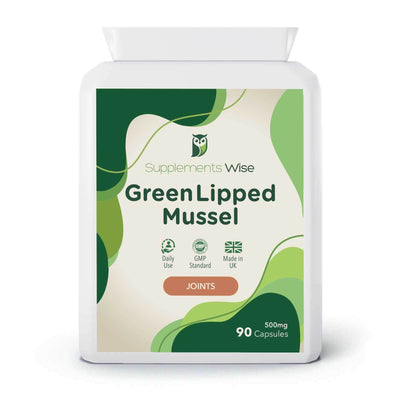
Starter pack · 3-month supply |
BEST VALUE
Value pack · 6-month supply |
For dogs & humans · 30-day returns · Free UK shipping
Which product should you actually try first?
The quickest way to decide is to match the product to who is taking it and what the loudest problem is. The table below maps the common cases to the sensible first move.
| Who and what | Start here | Sensible daily dose | Review at |
|---|---|---|---|
| Adult dog with confirmed osteoarthritis | Dog Joint Support 300 | 1 to 3 tablets by weight | 6 to 8 weeks |
| Dog owner wanting to test green lipped mussel alone | Green Lipped Mussel Caps | ~77 mg per kg body weight | 4 to 6 weeks |
| Adult human with knee or hip osteoarthritis | Green Lipped Mussel Caps | 200 to 600 mg extract | 8 to 12 weeks |
| Human who cannot tolerate NSAIDs | Green Lipped Mussel Caps | 200 to 600 mg extract | 8 to 12 weeks |
| Dog that also needs a turmeric-forward add-on | Turmeric for Dogs 120 | 1 to 2 capsules by weight | 4 to 6 weeks |
Key Takeaway
Give any green lipped mussel supplement a fair 4 to 6-week trial in dogs and 8 to 12 weeks in humans before deciding. Green lipped mussel is not a fast-acting pain reliever; it works by gradually reducing inflammation and supporting joint structure. Daily consistency matters far more than occasional high doses.
Frequently asked questions
Can dogs and humans take the same green lipped mussel supplement?
Yes. The active compounds work through the same mechanisms in both species, so a single-ingredient capsule can serve both. The main difference is dose: dogs typically need around 77 mg of extract per kg of body weight per day, humans 200 to 600 mg per day.
How long does green lipped mussel take to work?
Most veterinary studies report improvements within 4 to 6 weeks of daily use in dogs. In humans, benefits are usually seen within 4 to 12 weeks depending on severity and extract quality. It is not a fast-acting pain reliever, so daily consistency matters more than occasional loading doses.
Can you give green lipped mussel to puppies?
Green lipped mussel is generally considered safe for puppies, particularly large-breed puppies that may benefit from early joint support. The published trials mostly cover adult dogs with existing joint conditions, so preventive-use evidence in puppies is limited. If you want to start a puppy on it, get vet guidance on age and weight and introduce it gradually.
Is green lipped mussel better than glucosamine for joints?
They work differently, so neither is strictly better: glucosamine supplies cartilage building blocks, while green lipped mussel mainly reduces inflammation through dual COX-2 and LOX pathway inhibition via ETA. Green lipped mussel does contain some natural glucosamine, but at lower concentrations than a dedicated glucosamine supplement. Many people and dogs get the best results by using both.
Can you take green lipped mussel with other joint supplements?
Yes. Green lipped mussel can sit alongside glucosamine, collagen, turmeric, fish oil and most other joint ingredients without safety concerns. Because it targets COX-2 and LOX via ETA, while turmeric targets NF-kB and standard fish oil targets COX-2 via EPA and DHA, stacking them broadens the anti-inflammatory coverage rather than duplicating it.
Does green lipped mussel have side effects?
It is well tolerated in both dogs and humans at standard doses. The most common side effect is mild gastrointestinal discomfort, usually temporary and most likely when starting. The main contraindication is shellfish allergy, and dogs or humans on anticoagulants should consult a vet or GP first because the omega-3 content can add a mild blood-thinning effect.
Does green lipped mussel go off if it is not refrigerated?
Stabilised capsule extracts sold in the UK do not require refrigeration and are shelf-stable to the expiry date printed on the bottle. Storing them in a cool, dry cupboard away from direct sunlight protects the ETA and EPA lipids from oxidation. Loose powder blends and unsealed products are more sensitive and should be used up more quickly.
Green lipped mussel earns its place on the UK joint-supplement shelf because of a genuinely unusual mechanism, not because of marketing. Give it a proper trial length, choose a stabilised whole extract, and pair it with structural support if the underlying issue is cartilage rather than inflammation alone.
Give joints a fair 6-week trial
Green Lipped Mussel Capsules at 500 mg per cap, sized for dogs and humans by body weight. Freeze-preserved New Zealand extract, UK-manufactured, and priced at 12p per cap on the 180 pack.
Shop Green Lipped MusselUK GMP-certified · For dogs & humans · 30-day returns · Free UK shipping
This article is for information only and is not medical advice. Food supplements should not replace a varied diet or a healthy lifestyle. Speak to your GP or pharmacist before starting any new supplement, especially if you are pregnant, breastfeeding, taking medication or managing a health condition.