Best Supplements for Runners UK: The Sensible Endurance Stack

Most UK runners do not need a shelf of supplements to run well. The five that carry the strongest evidence are electrolytes (sodium and potassium replaced during long or hot runs to protect endurance and reduce cramping), iron (only when a blood test confirms low ferritin, especially in female runners), magnesium (helps recovery, sleep and cramp risk in runners who train four or more hours a week), creatine monohydrate (small but real gains in high-intensity intervals and strength sessions), and a full-spectrum amino acid or protein feed after harder sessions to speed recovery.
Caffeine and beetroot juice have strong evidence too, but as pre-run foods rather than daily supplements. Everything else, from BCAAs to expensive multi-nutrient endurance stacks, is either weakly evidenced or better handled with proper food.
An estimated 5.7 million adults in the UK run regularly, and roughly half of them buy at least one running supplement in an average year. This guide sorts the shelves the way a UK sports dietitian would, ranks each supplement by evidence, gives sensible UK doses, and flags what to skip. It is written for a mid-pack runner training 3 to 6 hours a week, not for a Team GB athlete on a bespoke plan.
Key Takeaway
For most UK runners, the single highest-value supplement is an electrolyte drink for long or hot runs. Iron and magnesium are worth trialling if you match the symptom profile. Creatine helps intervals and strength work. Skip the branded endurance formulas until the basics are dialled in.
In this article
- Do You Need Supplements at All to Run Well?
- How Do Electrolytes Actually Help Runners?
- How Much Sodium Should You Take on a Long Run?
- Are UK Runners Really Low in Magnesium?
- Iron for Runners: Why Female Runners Test Low
- Does Creatine Actually Help Runners?
- Do Amino Acids Speed Up Recovery After Running?
- What About Caffeine, Beetroot Juice and Beta-Alanine?
- Which Running Supplements Should You Skip?
- How to Build a Sensible Weekly Runner's Stack
- When Should You See Your GP or a Sports Dietitian?
- Frequently asked questions
Do You Need Supplements at All to Run Well?
For most UK adults training 3 to 6 hours a week, the honest answer is that food, sleep and pacing matter more than any capsule. Carbohydrates on the plate, protein spread across meals, water and salt on hot days, and 7 to 9 hours of sleep will outperform any supplement stack that ignores those basics.
Supplements sit in a narrower lane. They help when a session is long enough, hot enough or intense enough that food alone cannot keep up, or when a UK diet leaves you a bit short on something specific like iron, magnesium or vitamin D. That is the frame we use for every product below.
If you find yourself thinking about supplements before you have sorted your carb intake, weekly sleep average and long-run pacing, the honest recommendation is to fix those first. A £15 tub of electrolyte powder cannot replace an extra 45g of carbs in your porridge or a 30-minute earlier bedtime.
How Do Electrolytes Actually Help Runners?
Sweat is not just water. Every litre of sweat contains roughly 800 to 1,500mg of sodium, 100 to 200mg of potassium, and small amounts of magnesium, calcium and chloride. On a warm 90-minute run you can lose 1 to 2 litres, which drops your circulating blood volume and slows you down long before you feel thirsty.
Replacing sodium and fluid is the single most reliably useful thing electrolyte products do. The American College of Sports Medicine position stand (Sawka et al. 2007, DOI: 10.1249/mss.0b013e31802ca597) recommends drinking to a modest thirst signal for sessions under 60 minutes and adding sodium once effort passes 60 to 90 minutes or ambient temperatures push above about 20 degrees.
Potassium and magnesium in a sports drink are useful, but they are supporting cast. Sodium is the mineral that consistently changes how a run feels in the last 40 minutes.
What the Research Says
Sawka et al. 2007 (Med Sci Sports Exerc, DOI: 10.1249/mss.0b013e31802ca597) is the American College of Sports Medicine position stand on exercise and fluid replacement. It concludes that sodium is the priority electrolyte during endurance exercise, that thirst-guided drinking works well for most sessions, and that 500 to 700mg of sodium per litre of fluid is a reasonable target when sessions run longer than 60 to 90 minutes. Newer UK guidance from British Athletics and BASES follows the same principle.
Our electrolyte powder is built exactly around this evidence. A 5g scoop mixed with 500ml of water delivers 439mg of sodium (from Himalayan salt), 757mg of potassium citrate and 12mg of magnesium bisglycinate, with no sugar and no artificial sweetener. On a hot long run of two hours or more, you would drink one to two of those.
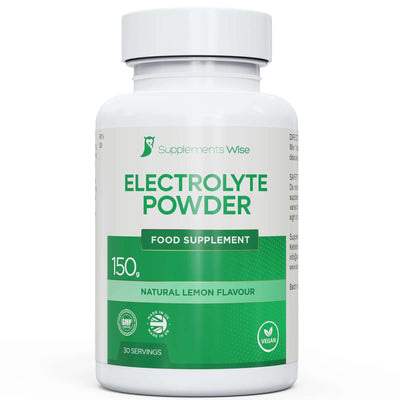
Electrolyte Powder 150g Sugar-Free Lemon
Sodium, potassium and magnesium for long, hot or interval runs. Sugar-free and vegan.
UK GMP-certified · Vegan · 30-day returns · Free UK shipping
£14.95
Add to CartHow Much Sodium Should You Take on a Long Run?
A useful rule for UK runners is 300 to 700mg of sodium per hour of running once the session passes 90 minutes or the temperature climbs above 20 degrees. Salty sweaters (white streaks on your kit or brow, gritty face after a run) sit at the top of that range or above.
Most single sports gels give 30 to 100mg of sodium, which is why gel-only fuelling often leaves people flat in the last hour of a long run. Pairing a gel with 500ml of a proper electrolyte drink is a simple fix.
| Session type | Sodium target | Practical UK plan |
|---|---|---|
| Easy run under 60 min | Not needed | Water only. Eat normally after. |
| Long run 90 min to 2 hr | 300 to 500mg per hour | 1 x 500ml electrolyte drink plus water. |
| Long run over 2 hr or 20 C plus | 500 to 700mg per hour | 2 x 500ml electrolyte drinks plus water. |
| Marathon race day | 500 to 1,000mg per hour | Rehearsed drink plan plus salted breakfast. |
A UK-specific note: aid stations at London, Brighton, Manchester, Great North Run and the Loch Ness Marathon typically hand out plain water and Lucozade Sport, which gives 40 to 60mg of sodium per 100ml. That is fine for shorter races but light for salty sweaters, so most experienced marathoners bring their own electrolyte concentrate or salt caps in a race belt.
Are UK Runners Really Low in Magnesium?
Endurance athletes lose magnesium through sweat and urine and typically have magnesium intakes below the population reference nutrient intake of 300mg for men and 270mg for women. UK National Diet and Nutrition Survey data show mean magnesium intake in adults sits below the RNI in every age group, which suggests most runners are running slightly low without realising.
The strongest research use case for a runner is not fixing cramps mid-race, it is quieter background support: sleep quality, muscle recovery and the twitchy sensation some runners get in the legs the night after a long session. Trials in athletes suggest modest but consistent benefit on those outcomes when magnesium intake is topped up to around 300 to 400mg elemental per day.
Well-absorbed forms include magnesium bisglycinate, malate, citrate and taurate. Magnesium oxide, which is common in cheap supermarket tabs, is poorly absorbed and can cause diarrhoea before you reach the useful dose. See our magnesium comparison guide for which form matches which goal.
Supplement is not the only lever. Oats, black beans, pumpkin seeds, spinach, cashews and dark chocolate all deliver 60 to 150mg of magnesium per typical serving, and stacking two of those in a day gets most runners into a sensible range.
Iron for Runners: Why Female Runners Test Low
Running is unusually hard on iron. Foot-strike haemolysis, sweat losses, gut micro-bleeding on long runs and (in female runners) monthly menstrual losses can drag ferritin below the level needed for oxygen carrying. Female runners, plant-based runners and high-mileage marathoners are the highest-risk groups.
The clearest UK research review is Sim et al. 2019 in the European Journal of Applied Physiology (DOI: 10.1007/s00421-019-04157-y), which concluded that iron deficiency without anaemia is common in endurance athletes, blunts training adaptation and often responds well to targeted supplementation once diagnosed. NHS guidance treats a serum ferritin under 30 mcg per litre as low.
Worth Knowing
Do not self-supplement iron without a blood test. Iron overload is a real concern for men and post-menopausal women, and free iron can also disrupt training if you are already in normal range. Ask your GP for a full blood count plus ferritin, ask for the number (not a "normal / abnormal" verdict), and treat under 30 mcg per litre as worth acting on.
Iron gummies, iron citrate and multivitamins with iron are currently sold out at Supplements Wise, and we will link to them here once they are back in stock. In the meantime, if your GP recommends supplementation, look for a UK GMP-certified ferrous bisglycinate or iron citrate at 20 to 30mg elemental, taken on an empty stomach with vitamin C to boost absorption.
Our iron for women UK guide covers the trade-offs by form in more detail.
Does Creatine Actually Help Runners?
Creatine has a reputation as a strength and physique supplement, but the newer runner-relevant evidence is on high-intensity intervals, downhill running economy and injury risk. It works by refilling the phosphocreatine energy system that fuels the first 10 seconds of any sprint or hill effort, and by pulling water into muscle cells to protect them from micro-damage.
The International Society of Sports Nutrition position stand (Kreider et al. 2017, DOI: 10.1186/s12970-017-0173-z) rates creatine monohydrate as one of the most effective and safest ergogenic aids available. The relevant runner benefits are faster interval recovery, better sprint finish, and small improvements in resistance training which supports injury prevention.
The catch is water weight. Creatine adds 0.5 to 2kg of body water in the first few weeks, which some marathoners dislike.
If you are chasing a PB in a hot late-summer race, most coaches recommend using creatine through winter base and stopping 4 weeks before the taper. If you are a general runner training year-round, the strength and recovery gains typically outweigh the weight.
Dose is simple: 3 to 5g per day, taken any time with fluid. No loading, no cycling. See our creatine powder vs tablets guide for choosing a format.
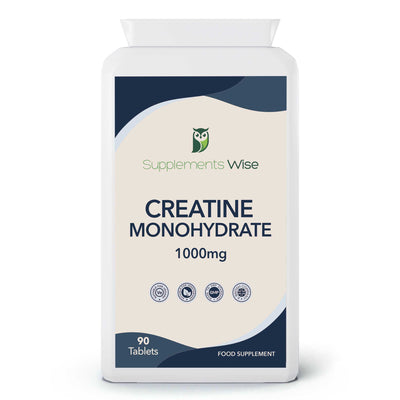
Creatine Monohydrate Tablets 1000mg 90 Tablets
3g daily from 3 tablets. No mixing, no mess, vegan and letterbox-friendly.
UK GMP-certified · Vegan · 30-day returns · Free UK shipping
£9.95
Add to CartDo Amino Acids Speed Up Recovery After Running?
The strongest recovery signal in sports nutrition is 20 to 40g of good-quality protein within 2 hours after a hard session. That can come from milk, yoghurt, eggs, tofu, chicken, protein powder, or an amino acid complex. All work.
Jäger et al. 2017 in the Journal of the International Society of Sports Nutrition (DOI: 10.1186/s12970-017-0177-8) is the ISSN position stand on protein and exercise. It concludes that endurance athletes need slightly more protein than sedentary adults, roughly 1.4 to 2.0g per kg body weight per day, spread across the day rather than dumped in one meal.
Where an amino acid capsule earns its place is on long training days when appetite is low, on plant-based diets that skew slightly lower in leucine, and on trips or race weekends when getting a real food protein source right after a session is awkward. A full-spectrum amino acid complex covers all nine essentials plus the non-essentials involved in tissue repair.
BCAAs alone (just leucine, isoleucine and valine) are generally not worth paying extra for, and the evidence has moved on. A full amino acid product or a straight whey or plant protein powder is a better use of the same money.
Our amino acids for muscle recovery article walks through why.
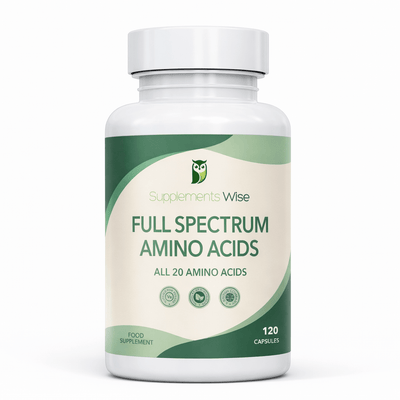
Full Spectrum Amino Acid Complex 120 Vegan Capsules
All 20 amino acids in one vegan capsule for recovery-day support.
UK GMP-certified · Vegan · 30-day returns · Free UK shipping
£16.87 (was £17.95)
Add to CartWhat About Caffeine, Beetroot Juice and Beta-Alanine?
These three are the "ergogenic" side of running nutrition, meaning they act as pre-run performance boosters rather than daily supplements. All three are backed by decent research and all three are cheap when bought as food.
Caffeine at 3 to 6mg per kg body weight taken 45 to 60 minutes before a run gives a small but real improvement in pace and perceived effort. A large mug of instant coffee or a single caffeine gel usually gets you there. Test in training, not on race day.
Beetroot juice at around 300 to 600mg of dietary nitrate (roughly two 70ml concentrated shots) 2 to 3 hours before a session can reduce the oxygen cost of running by 1 to 3%. The effect is real but modest, more useful for a 5k or 10k than a marathon, and worth trialling in workouts before a race.
Beta-alanine at 3 to 5g per day for 4 to 6 weeks builds intramuscular carnosine, which buffers the acid burn of intervals lasting 60 to 240 seconds. It helps 400m to 3k runners more than marathoners. The main side effect is a temporary skin tingling called paraesthesia.
Supplements Wise does not stock standalone caffeine, beetroot or beta-alanine at trial-grade doses. That is a limitation of the current catalogue, and we call it out so the article is honest. If any of these interest you, look for a UK GMP-certified brand with a clear dose stated on the label.
Which Running Supplements Should You Skip?
Not everything on a supplements retailer's endurance shelf earns its shelf space. The clearer skips for most UK runners are the ones with the weakest evidence, the most marketing spend or the highest cost per useful gram.
- BCAA-only powders when a full amino acid or protein feed does the same job for less.
- Fat burners marketed to runners. These are stimulant blends, not endurance aids, and can spike heart rate mid-run.
- Ketone drinks unless you are an elite athlete with a coach directing use. They are expensive and the evidence in sub-elite runners is thin.
- Mega-dose multivitamins that promise "athletic performance". A basic multivitamin at population NRVs is fine if you take one at all.
- Deer antler velvet, tribulus and testosterone boosters aimed at male runners. No credible evidence for endurance benefit.
- Anti-inflammatory turmeric mega-doses immediately after training. Blunting the inflammation signal right after a session may reduce the adaptation you were trying to earn.
If a product promises "elite athlete performance" and does not have a clearly stated evidence-graded dose on the label, treat it as marketing until proven otherwise.
How to Build a Sensible Weekly Runner's Stack
Almost all UK runners can build a strong supplement plan from three tiers: a daily foundation, session-based inputs, and a targeted layer only if a symptom or blood result flags it.
| Layer | Supplement | When it earns its place |
|---|---|---|
| Daily foundation | Vitamin D3 10 to 25 mcg | October to April for every UK adult, per NHS. |
| Daily foundation | Magnesium 300 to 400mg elemental | Runners training 4 hr plus per week or waking tight. |
| Session-based | Electrolyte drink | Any session over 90 min or above 20 C. |
| Session-based | Carbohydrate feed (gel, chew, real food) | 30 to 60g per hour on runs over 75 min. |
| Session-based | Protein or amino acid feed | 20 to 40g within 2 hr after hard sessions. |
| Optional add-on | Creatine monohydrate 3 to 5g | Interval, hill or strength-focused blocks. |
| Targeted only | Iron 20 to 30mg elemental | Only when GP flags ferritin under 30. |
| Race day | Caffeine 3 to 6 mg per kg body weight | Pre-race, only if tested in training. |
Nothing in this stack costs more than a mid-range pair of running socks per month. The classic mistake is buying the shiny £45 endurance formula while skipping the £10 tub of electrolytes.
Adaptogens like ashwagandha KSM-66 have a small role during heavy training blocks for perceived stress and sleep, but they are not a running aid in the strict sense. Use them if life is loud, not because someone on Instagram said they added 1% to their VO2 max.
When Should You See Your GP or a Sports Dietitian?
Most running "supplement questions" are actually training or nutrition questions in disguise. A few, though, need a professional eye.
Key Takeaway
Book a GP appointment if you have persistent fatigue that does not lift with two easy weeks, unusual breathlessness on paces you used to hold, dizziness or fainting after runs, missing periods, or a recurrent injury that is not healing. These are red flags that supplementation alone will not fix, and iron, thyroid, vitamin D and RED-S (relative energy deficiency in sport) should all be considered.
UK runners can also self-refer to a BDA-registered sports dietitian or a UKAD-recognised sports nutritionist through the Sport and Exercise Nutrition Register. For blood work, the NHS is the free option, and many UK finger-prick services (Medichecks, Thriva, Randox) offer ferritin, vitamin D, thyroid and full blood count panels privately if you want them faster.
Read the NHS running for beginners guide and the British Heart Foundation running basics for the wider training and heart-health context.
For most UK runners, the single change that produces the biggest race-day gain is not a new capsule, it is drinking a proper electrolyte on the long run and finishing every hard session with 20 to 40g of protein within two hours. Start there, then layer on the rest.
Frequently Asked Questions
What is the single best supplement for a UK runner?
For most UK runners the highest-value single supplement is an electrolyte drink for long or hot runs. It replaces the sodium lost in sweat, protects endurance in the final 40 minutes, and reduces late-run cramping. If you can only buy one thing, buy that.
Do runners need to take magnesium every day?
Runners training four hours a week or more benefit from a daily 300 to 400mg elemental magnesium top-up, especially if evening leg twitches, poor sleep or slow recovery are recurring. Well-absorbed forms are bisglycinate, malate, citrate and taurate. Magnesium oxide is not the right pick.
Should female runners take iron without a blood test?
No. Iron overload is a real risk, and free iron can also disrupt training even if you are already in range. Ask your GP for a ferritin blood test, ask for the actual number, and treat ferritin under 30 mcg per litre as low. Supplement only under that guidance.
Does creatine slow marathon runners down?
Creatine adds 0.5 to 2kg of water weight in the first few weeks, which some marathoners find unhelpful during peak taper. A pragmatic approach is to run creatine through your winter base and interval phases and stop 3 to 4 weeks before a spring or autumn race if weight is a concern.
Are BCAAs worth taking as a runner?
Not really. The evidence has moved on from BCAA-only products towards full-spectrum amino acid feeds or straight whey or plant protein powder. A 20 to 40g protein feed within 2 hours of a hard session does the same job at lower cost per gram.
Do UK runners need vitamin D?
Yes, from October to April for every UK adult, per NHS guidance. Runners in particular benefit for bone health, immune function during heavy blocks and mood support in the darker months. A 10 to 25 mcg (400 to 1,000 IU) daily gummy or capsule is enough for most people.
How long before I feel the benefit of a runner's supplement stack?
Electrolytes work on the same run and caffeine works within 45 minutes. Creatine, magnesium and iron typically need 2 to 6 weeks of consistent daily use before the recovery, sleep or fatigue changes are noticeable. Trial each supplement for at least 8 weeks before deciding it does not work.
Fuel your next long run properly
One scoop of a sensible electrolyte drink on every session over 90 minutes is the single highest-value swap a UK runner can make.
Shop the Electrolyte PowderUK GMP-certified · Vegan options · 30-day returns · Free UK shipping
This article is for information only and is not medical advice. Food supplements should not replace a varied diet or a healthy lifestyle. Speak to your GP or pharmacist before starting any new supplement, especially if you are pregnant, breastfeeding, taking medication or managing a health condition.