Muscle Recovery Supplements UK: A 2026 Guide to Beating DOMS

If you train regularly and are tired of walking down stairs sideways two days after leg day, you are asking the right question. Muscle recovery supplements can genuinely shorten how long you feel wrecked after a hard session, but only a small handful of the ingredients on UK shelves actually have the trial data to back that claim.
This guide walks through the five supplement categories with the strongest evidence for cutting post-workout soreness and speeding recovery. It is written for UK adults who lift, run, cycle or play team sport, and it names both what works and what quietly does not.
Every product mentioned is checked for UK stock and price on the day of writing. Where the evidence is thin, we say so, because your money is better spent on the two or three things with real data behind them than on a shelf full of pretty tubs.
Key Takeaway
The two supplements with the strongest evidence for muscle recovery are creatine monohydrate at 3-5g per day and a complete amino acid or whey protein source hitting roughly 20-40g protein post-training. Add electrolytes if you sweat heavily, and curcumin if soreness is your biggest complaint. Everything else is optional.
Top pickMade in the UK · GMP certified
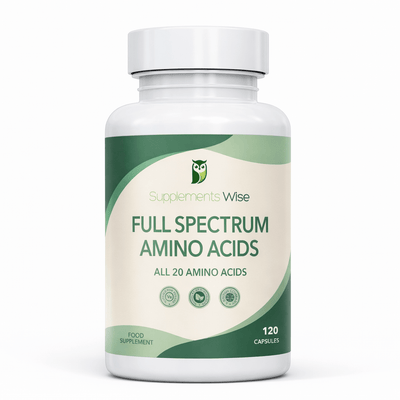
Full Spectrum Amino Acid Complex
120 vegan capsules · 60-day supply at 2 capsules
- All 9 essential amino acids incl. 60mg leucine per capsule
- Free-form for faster absorption than intact protein
- Plant-fermented, no animal source, no fillers
Vegan · 30-day returns · Free UK shipping
In this article
- What is DOMS and why does muscle recovery matter?
- Do amino acids actually speed up recovery?
- Does creatine reduce muscle damage as well as fatigue?
- Do electrolytes really matter for recovery?
- Does turmeric help with post-workout soreness?
- Can magnesium speed recovery or cut cramps?
- When should you take each supplement?
- What should you skip?
- What matters more than any capsule?
- When should you see a GP?
- Frequently asked questions
What is DOMS and why does muscle recovery matter?
Delayed onset muscle soreness, or DOMS, is the stiff, achy feeling that shows up 24 to 48 hours after a hard session and usually clears by day 4. It is not lactic acid, which is gone from your muscles within an hour of training. It is microscopic damage to muscle fibres and the swelling response that follows.
Recovery matters because the adaptations you want, more strength, better endurance, less body fat, all happen between sessions rather than during them. If soreness delays your next workout, your total weekly training volume drops, and progress stalls with it.
Supplements can help in three narrow but real ways. They can provide the raw material your muscles need to rebuild, they can shorten soreness by dampening the inflammatory swing, and they can replace fluid and minerals lost through sweat. Nothing on this list is essential if you eat well and sleep properly, but each has trial data behind it.
Do amino acids actually speed up recovery?
Yes, when the dose is right. A 2018 review in the journal Nutrients concluded that branched-chain amino acid supplementation reduced markers of muscle damage and perceived soreness after damaging exercise, provided the daily dose was at least 200mg of leucine per kg of body weight and started before the session (VanDusseldorp et al., 2018, DOI: 10.3390/nu10101389).
The catch with branched-chain-only products is that muscle protein synthesis needs all nine essential amino acids, not just leucine, isoleucine and valine. This is why the sports nutrition consensus has shifted toward essential amino acid (EAA) and whole-protein sources rather than isolated BCAAs, which are cheaper to formulate but less effective per pound spent.
A full amino acid complex covers this gap in one capsule. For most gym-goers, 20 to 40g of high-quality protein or an equivalent EAA dose within a couple of hours of training is the practical target.
What the Research Says
VanDusseldorp et al. (2018) pooled multiple randomised trials and found that daily BCAA and EAA supplementation cut markers of muscle damage such as creatine kinase and lowered self-reported soreness scores in the 24 to 72 hour window after damaging exercise. The clearest benefit was seen when supplementation began several days before the session and continued through the recovery window rather than being taken only after training (DOI: 10.3390/nu10101389).
Made in the UK · GMP certified
Full Spectrum Amino Acid Complex
120 vegan capsules · 60-day supply at 2 capsules
- All 20 amino acids including all 3 BCAAs and glutamine
- Free-form structure, no digestion required before use
- Plant-fermented and free from animal by-products
Vegan · 30-day returns · Free UK shipping
Does creatine reduce muscle damage as well as fatigue?
Creatine is the single most researched sports supplement and has held its position for two decades. The International Society of Sports Nutrition position stand concluded that creatine monohydrate is the most effective ergogenic supplement available for increasing lean mass and high-intensity performance during training, and has an extensive safety record even at long-term daily doses (Kreider et al., 2017, DOI: 10.1186/s12970-017-0173-z).
For recovery specifically, several trials show that creatine reduces post-exercise muscle damage markers such as creatine kinase and lactate dehydrogenase, and shortens the time it takes to restore maximal strength after damaging sessions. This effect is separate from creatine's better-known role in producing energy for short, powerful efforts.
The evidence-based dose is 3 to 5g daily, taken every day rather than only on training days. Loading protocols (20g per day for a week) work faster but are not required, and creatine does not need to be cycled.
Made in the UK · GMP certified
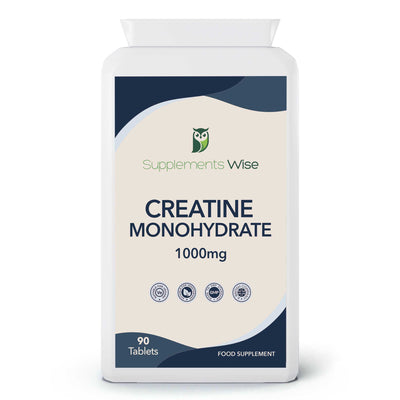
Creatine Monohydrate Tablets 1000mg
90 vegan tablets · 30-day supply at 3 tablets
- 3000mg creatine at the EFSA performance claim dose
- Tablet format, no mixing, no gritty taste
- Letterbox-friendly bottle for subscription or travel
Vegan · 30-day returns · Free UK shipping
If you prefer to mix your creatine into a drink, the 200 mesh micronised powder is the same active ingredient at 5g per 2-scoop serving. For a deeper look at the format decision, see our creatine powder vs tablets guide.
Do electrolytes really matter for recovery?
They matter when you sweat enough to notice. The American College of Sports Medicine position stand on exercise and fluid replacement concluded that both fluid and electrolyte replacement are important for maintaining performance and preventing cramps during and after prolonged or heavy sweating (Sawka et al., 2007, DOI: 10.1249/mss.0b013e31802ca597).
For a 45-minute gym session in an air-conditioned room, water is enough. For a long summer run, a hot hill walk, an outdoor team session or a hot yoga class, sodium, potassium and magnesium losses from sweat start to matter, and plain water alone can leave you feeling wiped out, foggy or lightheaded well into the evening.
A clean electrolyte drink is more useful post-session than a sugary sports drink because most of the recovery benefit comes from the minerals, not the sugar. Our sugar-free electrolyte powder provides 439mg sodium, 757mg potassium and 12mg magnesium per 5g serving in a lemon flavour, at 30 servings per tub. For background, see what are electrolytes.
Does turmeric help with post-workout soreness?
Curcumin, the active compound in turmeric, has moderate but genuine evidence behind it for post-exercise soreness. A 2015 trial in European Journal of Applied Physiology found that oral curcumin taken before and after eccentric exercise reduced perceived pain and biochemical markers of muscle damage compared with placebo (Nicol et al., 2015, DOI: 10.1007/s00421-015-3152-6).
The doses used in the strongest trials sit in the range of 150 to 200mg of curcuminoids twice a day, standardised from a turmeric extract, usually with piperine or a phospholipid delivery system to help absorption. Plain kitchen turmeric will not deliver these levels in a realistic amount.
If soreness rather than strength is your main complaint, curcumin is worth adding for the week after unusually hard sessions. Our turmeric and ginger evidence guide covers this ingredient in more detail, including how to spot a properly standardised extract.
Can magnesium speed recovery or cut cramps?
Magnesium is involved in over 300 enzymatic reactions, including those that let muscle fibres relax after a contraction. A 2017 systematic review in Nutrients concluded that magnesium supplementation has small but measurable benefits for exercise performance in athletes with a suboptimal intake, though the effect is much smaller in people already meeting the recommended intake through food (Zhang et al., 2017, DOI: 10.3390/nu9080877).
For recovery specifically, the strongest case is evening magnesium to support deeper sleep, which is where most muscle repair actually happens. The forms that work well for this are magnesium glycinate, magnesium citrate and combination products. For the timing angle, see our best time to take magnesium guide, or compare the three main forms in our citrate vs glycinate vs complex article.
Cramps are more often about total fluid and sodium than about magnesium alone. If your cramps are heat-related or coming during long sessions, address hydration and salt intake first.
When should you take each supplement?
The timing rules are simpler than most supplement brands like to make out. The table below sums up the sensible daily approach for each ingredient covered above.
| Ingredient | Sensible daily dose | Best time to take | Time to notice |
|---|---|---|---|
| Creatine monohydrate | 3-5g daily | Any time, every day | 2-4 weeks |
| Amino acids / EAA | 2 capsules, or 20-40g protein | Around your session | 1-2 weeks |
| Electrolytes | 5g in 500ml water | During or after heavy sweat sessions | Same day |
| Curcumin | 150-200mg twice a day | Before and after hard sessions | 24-72 hours |
| Magnesium | 300-400mg elemental | Evening with a meal | 1-3 weeks |
What should you skip?
Almost every recovery aisle contains at least three products that have thin evidence and confident marketing. Skip these when you can, and put the money into the ones with real trial data.
| Skip these | Why the evidence is thin | Better spend |
|---|---|---|
| BCAA-only tubs (no full EAA profile) | Muscle protein synthesis needs all 9 essentials, not 3 | Full amino acid or whey protein |
| Testosterone boosters (tribulus, fenugreek, deer antler) | No consistent trial data at legal doses | Sleep, food, resistance training |
| Sugary sports drinks post-gym | Most of the benefit is minerals, not glucose | Sugar-free electrolyte powder |
| Turmeric tea and kitchen powder for DOMS | Trial doses are 300-400mg curcuminoids, not culinary turmeric | Standardised turmeric extract |
| Recovery drinks with 12+ ingredients | Under-dosed on the ingredients that matter | Single-ingredient basics at real doses |
Worth Knowing
Very high-dose antioxidant supplementation around training can blunt some of the adaptation you are actually trying to build. Vitamin C at 1,000mg or more per day and vitamin E at multi-hundred IU doses have been shown in several trials to reduce endurance training adaptations when taken chronically around sessions. Get antioxidants from food and reserve high-dose vitamin C for short illness stints, not daily training.
What matters more than any capsule?
Before you spend a penny on supplements, the four levers with more evidence than anything on a shelf are sleep, protein intake, easy days between hard ones and hydration. Get these right and supplements become the small extra layer. Ignore them and no capsule will save the week.
Adults training regularly need at least 7 hours of sleep and closer to 8 or 9 through heavy training blocks. Protein intake for muscle repair sits at 1.4 to 2.0g per kg of body weight per day spread across 3 to 5 meals, which for a 70kg adult is 98 to 140g total. Water is boring but real: aim for pale straw urine as your rough guide.
Easy days matter as much as hard ones. If every session is at the same intensity, your body never fully recovers and DOMS becomes chronic. Deliberate low-intensity walking, cycling or mobility work between hard sessions lets the repair processes run without adding new damage.
When should you see a GP?
Muscle soreness after training is normal, but a few patterns are not, and they are worth a same-week GP appointment. Dark cola-coloured urine after a hard session, especially combined with heavy soreness that does not clear within 5 days, can signal rhabdomyolysis and needs bloods to check kidney function.
Persistent one-sided pain, swelling that does not settle, sharp joint pain rather than muscle ache, or new numbness and tingling around the muscle area are all worth checking rather than pushing through. Chest pain during or after exercise is a red flag for cardiac assessment regardless of age or fitness.
Persistent tiredness, poor sleep and rising resting heart rate over weeks despite training the same load is often overreaching or under-recovery. It is a training issue rather than a supplement issue, and the fix is a lighter week rather than more capsules.
Key Takeaway
Start with sleep, food and hydration, then layer creatine at 3-5g daily and a full amino acid or protein source around your session. Add electrolytes when you sweat heavily, and curcumin for the week after unusually damaging sessions. Skip the BCAA-only tubs and the 12-ingredient recovery blends.
Frequently asked questions
What is the best supplement for muscle recovery in the UK?
Creatine monohydrate at 3 to 5g per day has the strongest overall evidence, backed by the International Society of Sports Nutrition position stand. If you are only going to take one thing for both strength and recovery, this is it. A complete amino acid or whey protein source around your session is the sensible second addition.
How can I speed up recovery from DOMS?
Sleep, food and gentle movement move the needle more than any capsule. If soreness is your main complaint, adding curcumin at 150 to 200mg twice a day around hard sessions and hitting a proper protein target has trial evidence behind it. Full recovery from a hard session usually takes 48 to 72 hours regardless of what you take.
Do BCAAs actually work for recovery?
BCAAs on their own are less useful than the marketing suggests because muscle protein synthesis needs all nine essential amino acids, not just three. A full essential amino acid product or a decent protein source at each meal covers what BCAAs try to do, and does it more completely for a similar price.
Should I take creatine on rest days?
Yes. Creatine works by saturating muscle stores rather than by giving you an immediate lift, so daily use, including rest days, is what keeps those stores full. There is no need for loading phases or cycling, and long-term daily use has an extensive safety record in adults.
Are electrolyte drinks worth it for a normal gym session?
Not usually. For a 45 to 60 minute gym session in a cool room, plain water is enough for most people. Electrolytes start to matter when sweat losses are heavy, so long runs, hot yoga, summer hill walks and outdoor team sessions are where a sugar-free electrolyte drink makes a real difference.
Can I take creatine and amino acids together?
Yes, and it is a common combination among strength and endurance athletes. They work through different mechanisms, creatine by supporting short powerful efforts and amino acids by providing rebuild material, so there is no interaction to worry about at sensible doses.
How long before I feel a difference with muscle recovery supplements?
Electrolytes work the same day. Amino acids and protein show noticeable soreness benefits within one to two weeks of consistent post-session use. Creatine and magnesium usually take two to four weeks to build up in your system, and creatine gains are typically clearest after four to six weeks of daily use.
Start the sensible 4-week recovery trial
Creatine Monohydrate Tablets 1000mg, 90 vegan tablets, UK made. The cheapest evidence-backed entry point at £9.95.
Shop Creatine Monohydrate TabletsUK GMP-certified · Vegan · 30-day returns · Free UK shipping
This article is for information only and is not medical advice. Food supplements should not replace a varied diet or a healthy lifestyle. Speak to your GP or pharmacist before starting any new supplement, especially if you are pregnant, breastfeeding, taking medication or managing a health condition.