Pregnancy and Postnatal Supplements: An Evidence Based Guide

Your body's nutritional demands change significantly during pregnancy and in the months after giving birth. Some supplements have strong evidence from large-scale clinical trials involving tens of thousands of women, while others rely on smaller studies or mechanistic reasoning. Knowing the difference helps you spend your money on what actually matters.
This guide covers the supplements with the best research behind them for each stage, from preconception through postnatal recovery. Every recommendation is backed by cited clinical trials and Cochrane reviews, and we are upfront about where the evidence is weak or conflicting. Always discuss supplements with your midwife or GP before starting anything new during pregnancy.
The Essentials
The strongest evidence supports folic acid from preconception (70%+ NTD risk reduction), vitamin D throughout pregnancy (NHS recommends 400IU daily), and omega-3 DHA before 20 weeks (42% reduction in early preterm birth across 70 RCTs). Iron should be guided by blood test results rather than taken routinely by everyone.
In this article
- Why is folic acid the one supplement everyone agrees on?
- Should you take iron in pregnancy?
- Why is vitamin D essential throughout pregnancy?
- How strong is the omega-3 DHA evidence for preterm birth?
- Does magnesium actually help in pregnancy?
- Can probiotics in late pregnancy prevent baby eczema?
- Why is vitamin B12 critical for vegetarian and vegan mothers?
- What supplements actually support postnatal recovery?
- What should you take and when?
- Which supplements should you avoid during pregnancy?
- Frequently asked questions
Why is folic acid the one supplement everyone agrees on?
Folic acid is the single most important preconception and early pregnancy supplement. A landmark randomised controlled trial demonstrated that folic acid supplementation reduces the risk of neural tube defects (NTDs) such as spina bifida by more than 70%. This finding has been replicated across multiple studies and is the basis for universal supplementation recommendations worldwide.
The recommended dose is 400 micrograms (0.4mg) daily, starting at least one month before conception and continuing through the first 12 weeks of pregnancy. Women with a higher risk of NTDs (previous affected pregnancy, diabetes, BMI over 30, or taking anti-epileptic medication) are typically advised to take 5mg daily under medical guidance from the NHS.
You may have seen marketing claims that methylfolate (5-MTHF) is superior to folic acid, particularly for women with MTHFR gene variants. The honest position is that there are currently no randomised controlled trials demonstrating that methylfolate is more effective than folic acid for preventing neural tube defects in any genotype. The CDC states that people with MTHFR variants can process folic acid effectively, but methylfolate is the bioactive form and is a reasonable choice if you prefer it.
For a deeper comparison of the two forms, see our folic acid vs methylfolate UK pregnancy guide.
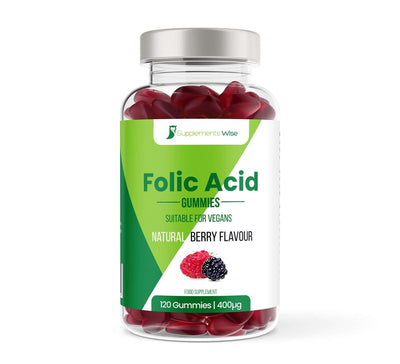
Folic Acid Gummies, 120 x 400mcg, Natural Berry Flavour
The standard NHS dose of 400mcg folic acid in a chewable berry-flavour gummy, pectin-based and vegan. One gummy a day for a 4-month supply, no tablet smell, easy on early morning sickness.
UK GMP-certified · Vegan · 30-day returns · Free UK shipping
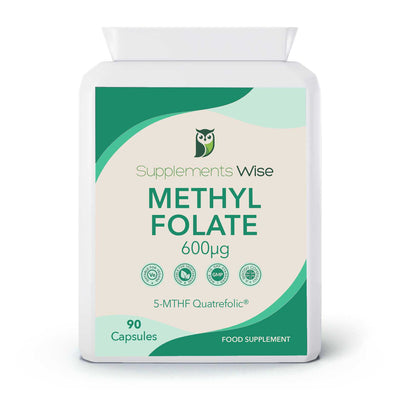
Methyl Folate 5-MTHF 600mcg, 90 Vegan Capsules, with Quatrefolic
The patented Quatrefolic bioidentical 5-MTHF that bypasses the MTHFR enzyme pathway entirely. 600mcg per vegan capsule (300% NRV), one a day for a 90-day supply. Made in the UK to GMP standards.
UK GMP-certified · Vegan · 30-day returns · Free UK shipping
Should you take iron in pregnancy?
Iron deficiency anaemia is common during pregnancy as blood volume increases by up to 50%. However, the approach to iron supplementation has become more nuanced as research has progressed. Routine iron supplementation for all pregnant women is no longer recommended in the UK; instead, the NHS advises testing and supplementing based on individual need.
A Cochrane review by Pena-Rosas et al. (2015) analysed 61 trials involving 43,274 women and confirmed that iron supplementation reduces the risk of anaemia and iron deficiency during pregnancy in women who need it (Pena-Rosas et al., 2015, DOI: 10.1002/14651858.CD004736.pub5). The review also found that intermittent dosing (two to three times per week rather than daily) produced similar improvements in haemoglobin levels with significantly fewer gastrointestinal side effects like constipation and nausea.
The practical takeaway is to ask your midwife for a blood test to check your ferritin and haemoglobin levels. If you are deficient, supplementation is clearly beneficial. If your levels are adequate, routine supplementation may cause unnecessary side effects without meaningful benefit.
If you do need iron, intermittent dosing may be better tolerated than the traditional daily approach. Take iron with vitamin C and away from tea, coffee or calcium tablets for better absorption.
Why is vitamin D essential throughout pregnancy?
The NHS recommends that all pregnant women take 10 micrograms (400IU) of vitamin D daily, particularly during autumn and winter. In the UK, vitamin D deficiency during pregnancy is common, with prevalence ranging from 13% to 64% depending on ethnicity, skin colour and sun exposure habits.
The MAVIDOS trial, the largest UK trial on vitamin D in pregnancy, enrolled 1,082 women across Southampton, Oxford and Sheffield. Women who took 1,000IU of vitamin D daily from 14 weeks gestation showed that 83% achieved sufficient vitamin D levels compared to just 36% in the placebo group.
While the primary outcome (neonatal bone mass) was not significant in the full cohort, winter-born infants showed a 0.5 standard deviation improvement. At the four-year follow-up, children of supplemented mothers showed significant improvements in whole-body bone mineral density (Cooper et al., 2016, DOI: 10.1016/S2213-8587(16)00044-9).
What the Research Says
There is a gap between the NHS recommended dose (400IU) and the dose used in the MAVIDOS trial (1,000IU). Many UK clinicians now argue that 400IU is too conservative, particularly for women at higher risk of deficiency such as those with darker skin or limited sun exposure. Discuss the appropriate dose with your midwife or GP based on your blood levels and individual risk factors before exceeding 400IU.
How strong is the omega-3 DHA evidence for preterm birth?
This is one of the most compelling areas of pregnancy supplement research. A Cochrane systematic review by Middleton et al. (2018) analysed 70 randomised controlled trials involving 19,927 women and found that omega-3 supplementation reduced early preterm birth (before 34 weeks) by 42%, with the risk falling from 4.6% to 2.7% (Middleton et al., 2018, DOI: 10.1002/14651858.CD003402.pub3).
The reduction in all preterm birth (before 37 weeks) was 11%, from 13.4% to 11.9%. While the absolute numbers may seem small, early preterm birth carries significantly higher risks of serious complications for the baby, making even modest reductions in absolute risk clinically meaningful.
The effective dose identified across these trials was 500-1,000mg of long-chain omega-3 fatty acids daily, with at least 500mg as DHA. Timing matters: the evidence is strongest when supplementation begins before 20 weeks of pregnancy. DHA is the omega-3 fatty acid most important during pregnancy because it is a critical structural component of the developing brain and retina.
For a deeper dive into how EPA and DHA differ and the evidence for omega-3 across other health conditions, see our omega-3 fish oil guide.
Does magnesium actually help in pregnancy?
Magnesium is frequently recommended during pregnancy for leg cramps, preeclampsia prevention and sleep support. However, the clinical evidence is weaker than many supplement brands suggest.
A Cochrane review by Makrides et al. (2014) examined 10 trials involving 9,090 women and found no significant effect of magnesium supplementation on preeclampsia, perinatal mortality or low birthweight in the higher-quality trials (Makrides et al., 2014, DOI: 10.1002/14651858.CD000937.pub2). Some secondary outcomes were positive (fewer babies with low Apgar scores), but the overall evidence does not support magnesium specifically for preeclampsia prevention.
For leg cramps, the evidence is similarly underwhelming. A meta-analysis of 4 randomised controlled trials (332 women) found no significant reduction in cramp frequency with magnesium supplementation compared to placebo.
That said, magnesium plays a genuine role in sleep quality, muscle relaxation and over 300 enzymatic reactions in the body. If you are experiencing poor sleep or muscle tension during pregnancy, magnesium supplementation at standard doses is safe and may help, even if the clinical trial evidence for pregnancy-specific outcomes is limited. Discuss dosing with your midwife, as requirements can vary.
Can probiotics in late pregnancy prevent baby eczema?
The most interesting probiotic evidence during pregnancy relates not to the mother's health but to the baby's. A meta-analysis of 29 randomised controlled trials found that maternal probiotic supplementation during the last trimester reduced the risk of infant eczema, with a relative risk of 0.71, meaning a 29% reduction (Zuccotti et al., 2015, DOI: 10.1111/all.12700). When mixed probiotic strains were used, the reduction was even greater at 46%.
However, this evidence is rated as low quality due to risk of bias and inconsistency across trials. The SPRING trial tested probiotics in 411 overweight and obese pregnant women for gestational diabetes prevention and found no benefit whatsoever. The probiotic group actually had a slightly higher rate of gestational diabetes (18.4% vs 12.3%), though this was not statistically significant.
The practical position is that probiotics during late pregnancy may reduce your baby's eczema risk, particularly if there is a family history of allergic conditions. They should not, however, be relied upon for gestational diabetes prevention or other pregnancy outcomes. Check with your midwife about specific strains and timing during pregnancy.
Why is vitamin B12 critical for vegetarian and vegan mothers?
B12 deficiency during pregnancy is a specific concern for women following vegetarian or vegan diets, as the vitamin is found almost exclusively in animal products. The MATCOBIND trial enrolled 708 vegetarian women in New Delhi and Kathmandu and compared 250mcg of methylcobalamin daily to 50mcg from the first trimester through six months postpartum.
The higher dose produced significantly greater improvements in maternal B12 levels (104.9 vs 47.5 pg/ml increase, p less than 0.0001). More importantly, infants of mothers in the higher-dose group showed better scores on the Mental Developmental Quotient at 9-12 months (103.7 vs 101.7, p = 0.008) (Nagpal et al., 2020, DOI: 10.1136/bmjopen-2019-034987).
If you follow a plant-based diet, B12 supplementation during pregnancy and breastfeeding is not optional. Even women who eat some animal products should consider their B12 status, as marginal deficiency is more common than many people realise.
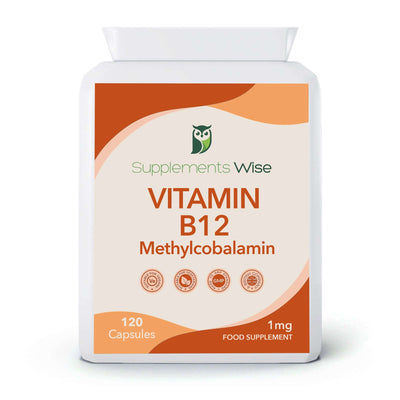
Vitamin B12 Methylcobalamin 1mg, 120 Vegan Capsules
1,000mcg of methylcobalamin per capsule, the bioactive form your nervous system uses. Vegan HPMC shell, UK GMP, 4-month supply at one a day. The clinically meaningful dose for vegetarian and vegan mothers in pregnancy and breastfeeding.
UK GMP-certified · Vegan · 30-day returns · Free UK shipping
What supplements actually support postnatal recovery?
The postnatal period brings its own nutritional demands, particularly if you are breastfeeding. Here is what the research shows for the most commonly recommended postnatal supplements.
Iron: Postpartum anaemia affects a significant proportion of women after delivery, particularly following blood loss during birth. A 2024 Cochrane review of 33 studies (4,558 women) examined treatment options but noted a surprising lack of evidence for simple oral iron supplementation, which is the most commonly prescribed treatment (Jensen et al., 2024, DOI: 10.1002/14651858.CD010861.pub3). If you experienced significant blood loss during delivery, ask for a blood test and supplement based on your results.
Omega-3 for mood: A meta-analysis of 18 trials (4,052 participants) found a small beneficial effect of omega-3 on perinatal depression, with EPA-rich formulations showing the most consistent results. However, the evidence base is limited and most trials were small. Omega-3 is not a treatment for postnatal depression, but adequate intake supports overall mood and brain health during a demanding period.
Vitamin D while breastfeeding: The NHS recommends continuing vitamin D supplementation throughout breastfeeding. Breast milk vitamin D content depends on the mother's levels, so maintaining adequate vitamin D status directly benefits your baby.
Collagen: You may see collagen marketed for postnatal tissue repair, diastasis recti recovery and skin elasticity. We should be transparent: there are no randomised controlled trials testing collagen supplementation for postnatal recovery. The claims rest on mechanistic reasoning (collagen is a structural protein in connective tissue) rather than clinical evidence, and there is no pregnancy-specific trial data.
What should you take and when?
| Stage | Supplement | Dose | Evidence |
|---|---|---|---|
| Preconception | Folic acid | 400mcg daily | Strong (70%+ NTD reduction) |
| All trimesters | Vitamin D | 400-1,000IU daily | Strong (MAVIDOS, 1,082 women) |
| Before 20 weeks | Omega-3 DHA | 500-1,000mg daily | Strong (70 RCTs, 42% early preterm reduction) |
| If deficient | Iron | As directed by midwife | Strong (Cochrane, 43,274 women) |
| Third trimester | Probiotics | Mixed strains daily | Low-moderate (29% eczema reduction) |
| Vegan/vegetarian | Vitamin B12 | 250mcg+ daily | Strong (MATCOBIND, 708 women) |
| Postnatal | Iron (if anaemic), vitamin D, omega-3 | Based on blood results | Moderate to strong |
Which supplements should you avoid during pregnancy?
Worth Knowing
Vitamin A (retinol): High doses are teratogenic and can cause birth defects. Avoid supplements containing retinol. Beta-carotene from food is safe.
Herbal supplements: Most herbal remedies have not been tested for safety in pregnancy. Avoid ashwagandha, dong quai, black cohosh, St John's wort and high-dose herbal teas unless specifically advised by your midwife or GP.
High-dose vitamin E: Doses above 400IU have been associated with increased risk in some studies. Stick to dietary sources.
General rule: Always check with your midwife or GP before starting any new supplement during pregnancy. Even supplements that are safe outside pregnancy may require dose adjustments.
It is also worth noting that many popular supplements have not been adequately studied in pregnant women. The absence of evidence is not the same as evidence of safety. When in doubt, ask your healthcare provider, and reference the UK Teratology Information Service (UKTIS) for medicine and supplement safety in pregnancy.
Key Takeaway
Three supplements have the strongest pregnancy evidence: folic acid 400mcg from preconception (70%+ NTD reduction), vitamin D 400 to 1,000IU throughout (MAVIDOS), and omega-3 DHA 500 to 1,000mg before 20 weeks (Cochrane 70 RCTs). Iron is test-driven, B12 is non-optional for vegans, probiotics in the third trimester may help baby eczema, and most herbal supplements should be avoided. Discuss everything with your midwife.
Frequently asked questions
What supplements should I take during pregnancy?
The supplements with the strongest evidence during pregnancy are folic acid (400mcg daily from preconception through the first 12 weeks, reducing neural tube defect risk by over 70%), vitamin D (400-1,000IU daily throughout pregnancy) and omega-3 DHA (500-1,000mg daily, ideally started before 20 weeks, which reduced early preterm birth by 42% in a Cochrane review of 70 trials). Iron should be taken if blood tests show deficiency rather than routinely by all women. Probiotics in the third trimester may reduce infant eczema risk.
Is methylfolate better than folic acid during pregnancy?
There are currently no randomised controlled trials demonstrating that methylfolate (5-MTHF) is more effective than folic acid for preventing neural tube defects. All the landmark NTD prevention trials used folic acid, not methylfolate, and the CDC states that people with MTHFR gene variants can process folic acid effectively. Methylfolate is the bioactive form and is a reasonable alternative if you prefer it, but the evidence base for NTD prevention specifically supports folic acid.
How much omega-3 should I take during pregnancy?
A Cochrane review of 70 randomised controlled trials involving 19,927 women found that 500-1,000mg of long-chain omega-3 fatty acids daily, with at least 500mg as DHA, reduced early preterm birth by 42%. The evidence is strongest when supplementation begins before 20 weeks of pregnancy. DHA is the most important omega-3 during pregnancy because it is a critical structural component of the developing baby's brain and retina.
Should I take iron supplements during pregnancy?
The UK approach is to test iron levels and supplement if you are deficient, rather than routinely supplementing all pregnant women. A Cochrane review of 61 trials (43,274 women) confirmed that iron supplementation reduces anaemia risk in women who need it. If you do need iron, intermittent dosing (two to three times per week) may produce similar haemoglobin improvements with fewer gastrointestinal side effects like constipation and nausea compared to daily dosing.
Do I need vitamin D while pregnant?
Yes. The NHS recommends all pregnant women take at least 400IU (10 micrograms) of vitamin D daily, particularly during autumn and winter. The MAVIDOS trial of 1,082 UK pregnant women found that 1,000IU daily from 14 weeks gestation led to 83% of women achieving sufficient vitamin D levels compared to 36% on placebo, and at four-year follow-up children of supplemented mothers showed significant improvements in bone mineral density. Women with darker skin or limited sun exposure may need supplementation year-round.
What supplements should I take after giving birth?
After giving birth, the priority supplements depend on your individual circumstances. If you experienced significant blood loss, ask for a blood test and supplement iron if deficient, and continue vitamin D supplementation throughout breastfeeding because your baby's vitamin D intake depends on your levels. Omega-3 may support mood with EPA-rich formulations showing the most consistent results, and vegetarian and vegan mothers should continue B12 supplementation.
Can probiotics during pregnancy prevent eczema in babies?
A meta-analysis of 29 randomised controlled trials found that maternal probiotic supplementation during the last trimester reduced infant eczema risk by 29% (relative risk 0.71), and mixed probiotic strains showed an even greater 46% reduction. However, this evidence is rated as low quality due to risk of bias and inconsistency across trials. Probiotics may be worth considering in the third trimester if there is a family history of allergic conditions, but discuss specific strains and timing with your midwife.
The honest bottom line on pregnancy supplements is that three earn their place on hard evidence: folic acid from preconception, vitamin D throughout, and omega-3 DHA before 20 weeks. Iron is test-driven, B12 is non-negotiable on a plant-based diet, and most other capsules in the prenatal aisle are weak evidence or no evidence at all. Pick the proven few, take them consistently, and bring the list to your booking appointment.
Start the preconception folate routine
400mcg folic acid in a chewable berry-flavour gummy, the dose backed by the Cochrane evidence. One gummy a day for a 4-month supply, easy on early morning sickness, UK GMP manufactured.
Shop Folic Acid GummiesUK GMP-certified · Vegan · 30-day returns · Free UK shipping
Building a wider pregnancy supplement routine?
Shop Pregnancy VitaminsThis article is for information only and is not medical advice. Food supplements should not replace a varied diet or a healthy lifestyle. Speak to your GP or pharmacist before starting any new supplement, especially if you are pregnant, breastfeeding, taking medication or managing a health condition.