Supplements for High Blood Pressure UK: The 2026 Buyer's Guide

The six supplements with genuine trial evidence for lowering high blood pressure in UK adults are Coenzyme Q10, magnesium, dietary nitrate from beetroot, aged garlic extract, hibiscus and vitamin D if you are deficient. Coenzyme Q10 at 100 to 200 mg per day is the strongest single option, with a 2007 meta-analysis reporting a pooled drop of roughly 11 mmHg systolic and 7 mmHg diastolic across 12 trials. Magnesium at 300 to 400 mg per day for 12 weeks gives a smaller but consistent effect, and beetroot nitrate lowers systolic pressure by around 4 to 5 mmHg within days.
Vitamin D helps mainly when winter 25(OH)D is low, aged garlic works best in uncontrolled hypertensives, and hibiscus tea gives a mild but reproducible effect at one to two cups a day. None replace prescribed medication, and a few popular supplements can quietly push your pressure up in the opposite direction.
This guide is written for UK adults, aged roughly 35 to 75, who have either been told their blood pressure is creeping up or want to give a prescribed medication regimen a bit more support. It walks through what has been shown in real trials, what the sensible daily doses look like, which supplements to avoid because they can raise pressure or clash with medications, and when to stop reading and see your GP.
Key Takeaway
Coenzyme Q10 has the strongest trial evidence for meaningful blood pressure reduction, with vitamin D and magnesium adding smaller support in the right people. A capsule stack works best alongside lifestyle changes and any medication your GP has already prescribed, not instead of them.
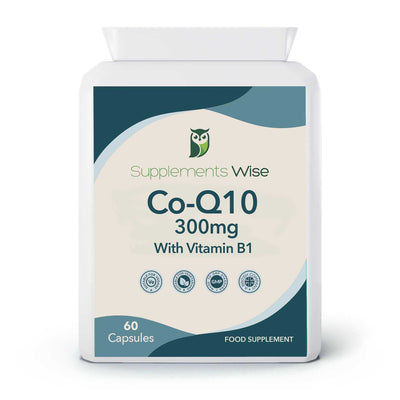
Top pickMade in the UK · GMP certified
Co-Enzyme Q10 300mg 60 Capsules with Vitamin B1
60 capsules · 60 day supply at one a day
- 300 mg of ubiquinone per capsule, matching or exceeding the trial-tested 100 to 225 mg dose range
- Same molecule that dropped systolic pressure by around 11 mmHg in the Rosenfeldt 12-trial meta-analysis
- Paired with 1.4 mg vitamin B1 to support the same mitochondrial energy pathway CoQ10 acts on
Vegetarian · 30-day returns · Free UK shipping
In this article
- Do supplements actually help lower blood pressure?
- Which supplements have the strongest evidence for high blood pressure?
- How does Coenzyme Q10 actually lower blood pressure?
- Does vitamin D lower blood pressure or is that oversold?
- Is magnesium worth adding for blood pressure?
- Do beetroot, garlic and hibiscus really work?
- Where do omega-3 fatty acids fit in?
- What is a sensible daily dose for each supplement?
- Which supplements can actually raise your blood pressure?
- When should you see your GP or call 999?
- How do you stack these safely if the first one fails?
- Frequently asked questions
Do supplements actually help lower blood pressure?
Some do, but the sensible expectation is a few points off systolic, not a rescue from a serious reading. The clearest signals in the trial literature come from Coenzyme Q10, dietary nitrate from beetroot, aged garlic extract and hibiscus, with magnesium and potassium adding small but consistent effects when intake is genuinely low. In practical terms that translates to roughly 4 to 12 mmHg off systolic pressure in the trials that showed a benefit, which is meaningful in mildly raised or medication-controlled ranges but does not replace treatment for stage 2 hypertension.
The honest counterweight is that supplements have essentially no evidence for reversing a reading like 165 over 100 without weight loss, salt reduction, exercise and, in many cases, medication. NHS guidance treats the practical target as a home reading under 135 over 85, and no capsule stack alone will get most people there from a stage 2 starting point. Use the supplements below as a support layer, not a replacement, and always let your GP know what you are adding.
Which supplements have the strongest evidence for high blood pressure?
Coenzyme Q10 has the largest single-supplement effect in the trial literature. A 2007 meta-analysis in the Journal of Human Hypertension pooled 12 clinical trials and reported a mean drop of about 11 mmHg systolic and 7 mmHg diastolic at 100 to 225 mg per day (Rosenfeldt et al., 2007, DOI: 10.1038/sj.jhh.1002138). A later 2016 Cochrane review by Ho and colleagues was more cautious, judging the overall evidence base too small to be definitive, but did not contradict the direction of effect.
Nitrate from beetroot juice has the fastest onset. Siervo and colleagues' 2013 meta-analysis in the Journal of Nutrition pooled 16 trials and found systolic pressure fell by around 4 to 5 mmHg within hours to days of daily nitrate intake (Siervo et al., 2013, DOI: 10.3945/jn.112.170233). Aged garlic extract and hibiscus tea sit in a similar 5 to 11 mmHg range, and magnesium and potassium contribute smaller but reliable effects when baseline intake is low.
What the Research Says
Rosenfeldt and colleagues pooled 12 clinical trials of Coenzyme Q10 in the Journal of Human Hypertension and reported an average blood pressure drop of 11 mmHg systolic and 7 mmHg diastolic at 100 to 225 mg per day, with no significant side effects (Rosenfeldt et al., 2007, DOI: 10.1038/sj.jhh.1002138). This remains the largest published effect size for a single supplement in essential hypertension, though the 2016 Cochrane review by Ho and colleagues rated the evidence base as still limited.
How does Coenzyme Q10 actually lower blood pressure?
Coenzyme Q10 sits inside every cell's mitochondria and moves electrons along the chain that produces ATP. In blood vessel walls that same activity supports nitric oxide bioavailability and vascular endothelial function, which is the mechanism most consistently proposed for its blood-pressure effect. It also works as a lipid-soluble antioxidant inside the vessel wall, blunting the oxidative stress that stiffens arteries in mid-life hypertension.
The practical dose in the positive trials sits at 100 to 225 mg per day for eight to twelve weeks, taken with a fatty meal because it is fat-soluble. Effect sizes are largest in patients on statins, which is not a coincidence, since statins measurably deplete circulating CoQ10 through the same HMG-CoA reductase pathway they use to lower cholesterol. If your blood pressure has been drifting up while you have been on a statin for a year or more, this is the one supplement to try first.
Does vitamin D lower blood pressure or is that oversold?
The honest answer is that vitamin D lowers blood pressure meaningfully only in people who are actually deficient. A 2015 systematic review in JAMA Internal Medicine by Beveridge and colleagues pooled 46 trials with 4,541 participants and found no significant blood pressure effect in the general adult population (Beveridge et al., 2015, DOI: 10.1001/jamainternmed.2015.0237). Subgroup analysis showed a small drop only in participants who were vitamin D deficient at baseline.
That is still worth acting on in a UK context. Around one in six adults tested through NHS pathways in winter comes back below 25 nmol/L, which is the level defined as deficient, so vitamin D is often the missing piece rather than an overhyped one.
Adults who spend most of daylight indoors, older adults and people with darker skin are the most likely responders. The 4,000 IU daily dose sits at the top of the safe UK adult range and is the level trials have used most often for pressure signals.
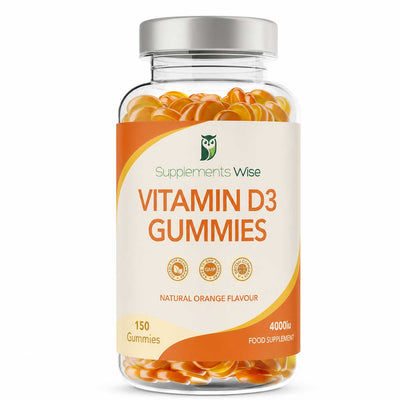
Made in the UK · GMP certified
Vitamin D3 Gummies 150 x 4000 IU Natural Orange Flavour
150 gummies · 150 day supply at one a day
- 4,000 IU (100 mcg) cholecalciferol per gummy, sitting at the top of the safe UK adult range
- Repletes low winter 25(OH)D within 8 to 12 weeks, which is where the blood pressure signal actually shows up
- Natural orange flavour, pectin-based, no capsule swallow and no fishy aftertaste
Vegetarian · 30-day returns · Free UK shipping
Is magnesium worth adding for blood pressure?
Yes, and the trial data is actually cleaner than most retailers describe. A 2016 meta-analysis in Hypertension by Zhang and colleagues pooled 34 randomised placebo-controlled trials with 2,028 participants and reported an average drop of around 2 mmHg systolic and 1.8 mmHg diastolic at a median 368 mg per day for three months (Zhang et al., 2016, DOI: 10.1161/HYPERTENSIONAHA.116.07664). The effect was larger in people with genuinely low baseline intake, which describes a lot of UK adults on refined-carbohydrate diets.
Bisglycinate, malate and citrate are the forms with the best absorption profile for a blood pressure trial. A triple magnesium complex at 300 to 400 mg elemental per day, split between two meals, is the pattern the trials most often used. Skip magnesium oxide for this purpose because it is poorly absorbed and mostly acts as a mild laxative, and see the magnesium type comparison if you are still unsure which format fits your daily routine.
Do beetroot, garlic and hibiscus really work?
Beetroot is the fastest-acting of the three. Dietary nitrate from beetroot juice is converted through the salivary nitrite pathway into nitric oxide, which relaxes vascular smooth muscle and drops systolic pressure by around 4 to 5 mmHg within hours to days of intake (Siervo et al., 2013, DOI: 10.3945/jn.112.170233). The catch is that the effect requires a daily 250 to 500 ml juice or roughly 400 mg of dietary nitrate, which is where compliance falls apart.
Aged garlic extract has the largest single-food effect in the literature. A 12-week trial of Kyolic aged garlic extract at 480 mg per day in uncontrolled hypertensives dropped systolic pressure by an average of around 11 mmHg, similar to a low-dose beta-blocker.
Hibiscus tea sits at a milder 5 to 7 mmHg systolic drop across a 2015 meta-analysis in the Journal of the American Heart Association, taken as one to two cups of a standardised infusion daily. All three are additive to Coenzyme Q10 rather than substitutes for it.
Where do omega-3 fatty acids fit in?
Omega-3 fish oil sits at a modest but real 2 to 3 mmHg systolic drop at the 2 to 3 g per day dose used in most trials, which is on the higher side of what supermarket capsules deliver. The practical omega-3 evidence guide covers the EPA plus DHA thresholds in more detail. The blood pressure signal is strongest in people with genuinely raised triglycerides, which is a common companion diagnosis to essential hypertension.
Our fish oil, krill oil and omega 3-6-9 lines are currently out of stock and restocking, so we are not linking a direct product on this article. If you are already taking a fish oil from another brand, stay with it and pair it with the CoQ10 above; if not, treat omega-3 as a stack addition once the four core supplements are in place and the SW range is back.
What is a sensible daily dose for each supplement?
The table below pairs the six evidence-backed options with a sensible daily dose, the average systolic drop reported in the strongest meta-analysis, and how long it typically takes to see an effect. Doses assume an adult under 75 with no kidney disease, no anticoagulant use and no active pregnancy.
| Supplement | Evidence grade | Sensible daily dose | Time to notice |
|---|---|---|---|
| Coenzyme Q10 | Strong (12-RCT meta-analysis) | 100 to 300 mg with food | 8 to 12 weeks |
| Magnesium (chelated) | Moderate (34-RCT meta-analysis) | 300 to 400 mg elemental | 12 weeks |
| Beetroot nitrate | Strong (16-RCT meta-analysis) | 250 to 500 ml juice or 400 mg nitrate | Hours to days |
| Aged garlic extract | Moderate (uncontrolled hypertensives) | 480 to 960 mg per day | 8 to 12 weeks |
| Hibiscus tea | Moderate (7-RCT meta-analysis) | 1 to 2 cups standardised daily | 6 to 8 weeks |
| Vitamin D3 (if deficient) | Population null, subgroup positive | 2,000 to 4,000 IU daily | 8 to 12 weeks |
Which supplements can actually raise your blood pressure?
This is where honest guides diverge from listicle content. Several popular supplements will nudge your blood pressure in the wrong direction, either directly or through interactions with common UK prescriptions. The Mayo Clinic and Cleveland Clinic both flag the same short list, and it deserves a place in any guide claiming to help.
| Skip or use with caution | Why |
|---|---|
| Licorice root (glycyrrhizin) | Blocks 11-beta-HSD2, raises cortisol and drives measurable rises in blood pressure at 100 mg glycyrrhizin per day. |
| High-dose caffeine or pre-workout blends | Doses above around 300 mg caffeine can lift systolic pressure 8 to 10 mmHg for two to three hours in non-habitual users. |
| Bitter orange, ephedra, ma huang | Sympathomimetic stimulants that raise heart rate and blood pressure; ephedra is not permitted in UK food supplements. |
| High-dose ginseng or yohimbine | Both can push blood pressure up, especially when combined with caffeine or ADHD stimulants. |
| St John's wort with beta-blockers or calcium blockers | Speeds hepatic clearance of the medication, so pressure can rise as the drug is cleared faster. |
None of these will land a healthy adult in hospital at typical supermarket doses. The point is that if you are already carrying a stage 1 reading, they are working against you, not with you.
When should you see your GP or call 999?
Most raised readings caught on a home monitor are a signal, not an emergency, and the right first move is a GP appointment plus two weeks of home readings. Book with your GP for any of the following: a sustained home reading above 140 over 90 in someone under 80, above 150 over 90 in someone over 80, a new headache with visual disturbance, unexplained ankle swelling or new breathlessness on light exertion.
Worth Knowing
Call 999 for a reading at or above 180 over 120 combined with chest pain, sudden severe headache, one-sided weakness, confusion, blurred vision or difficulty speaking. That combination is a hypertensive emergency and needs treatment within the hour, not a stack refresh. See the NHS high blood pressure page and the British Heart Foundation guidance for the current UK thresholds.
How do you stack these safely if the first one fails?
Start with one supplement at a time so you can tell what is doing the work. Weeks 1 to 8 sit on Coenzyme Q10 at 200 to 300 mg per day with a fatty meal, ideally paired with a home monitor reading morning and evening. If your average systolic drops by 5 mmHg or more after 8 weeks you have your answer and can hold at that dose indefinitely.
If the first eight weeks give you nothing, add a chelated magnesium complex for the next 12 weeks and re-check. If both together still fall short, layer in aged garlic extract or a daily beetroot juice for another 8 weeks.
Vitamin D fits in from the start if a blood test shows you are deficient, and hibiscus tea can be added at any point as a low-risk daily habit. Do not stack all six at once from day one because you will not know which are helping and any side effect becomes impossible to pin down.
Key Takeaway
Run a single supplement for at least eight weeks with a home monitor before layering in the next. Coenzyme Q10 first, magnesium second, aged garlic or beetroot third, and vitamin D from day one only if you already know you are deficient. If nothing has moved after twenty-four weeks of stacked, well-dosed supplements, the answer is not another capsule; it is a GP conversation about medication.
Frequently asked questions
What is the best single supplement for high blood pressure UK?
Coenzyme Q10 has the strongest single-supplement trial evidence, with a 2007 meta-analysis reporting an 11 mmHg systolic and 7 mmHg diastolic drop at 100 to 225 mg per day. It works best in adults on statins, in medication-controlled hypertension and in stage 1 readings around 140 over 90. Take 200 to 300 mg with a fatty meal for at least eight weeks before judging the effect.
Can I take blood pressure supplements with my medication?
Coenzyme Q10 is safe alongside most antihypertensives and is often taken with statins to replete what those drugs deplete. Magnesium, hibiscus and beetroot are also usually fine, but always tell your GP and pharmacist because a strong additive drop can occasionally push a controlled reading too low. Avoid licorice root, high-dose caffeine, ephedra and St John's wort while on prescribed pressure medication.
How long does it take for supplements to lower blood pressure?
Beetroot nitrate acts within hours to days, hibiscus and garlic take six to twelve weeks, and Coenzyme Q10 and magnesium generally need eight to twelve weeks of daily dosing before the drop stabilises. Home-monitor mornings and evenings for two weeks before starting so you have a proper baseline. Judge the effect against that baseline at week eight, not against a single reading on any given day.
Is CoQ10 better than magnesium for blood pressure?
Coenzyme Q10 has a bigger average effect size in the meta-analyses, around 11 mmHg systolic versus around 2 mmHg for magnesium. Magnesium is a stronger fit if your diet is low in leafy greens, nuts and pulses, or if you also want the sleep-quality and muscle-cramp benefits at the same dose. Most people layer them rather than pick one, with CoQ10 first and magnesium added at week eight.
Does vitamin D3 lower blood pressure in adults who are not deficient?
No, the large 2015 JAMA Internal Medicine meta-analysis found no blood pressure effect in vitamin D-replete adults. Blood pressure benefit shows up only in the subgroup with baseline 25(OH)D below 25 nmol/L, which describes roughly one in six UK adults tested in winter. If you have not had a blood test, ask your GP for one before assuming vitamin D is the missing piece.
Can I stop my blood pressure medication if supplements work?
Never stop a prescribed antihypertensive without your GP's agreement, even if home readings look good on supplements. Stopping cold can drive rebound hypertension, and the medication dose is what has been keeping your reading in range. If a stack is working, book a review with your GP so any dose reduction can be planned properly.
Is beetroot juice better than a beetroot capsule for blood pressure?
Juice is what the trials mostly used, and it delivers the 400 mg of dietary nitrate that drove the 4 to 5 mmHg systolic drop. Concentrated shots and freeze-dried capsules can hit the same nitrate dose if they list milligrams of nitrate on the label, not just the beetroot weight. Skip products that only say "beetroot powder" without a nitrate figure because the active dose is unknown.
Start the sensible 12-week blood pressure trial
Coenzyme Q10 300 mg is the single strongest supplement in the trial literature. Pair it with a home monitor, an eight-week baseline and a fatty meal, then re-check the drop.
Shop Co-Enzyme Q10 300mgUK GMP-certified · Vegetarian · 30-day returns · Free UK shipping
This article is for information only and is not medical advice. Food supplements should not replace a varied diet or a healthy lifestyle. Speak to your GP or pharmacist before starting any new supplement, especially if you are pregnant, breastfeeding, taking medication or managing a health condition.